Quick Take: A comprehensive guide to understanding the emerging practice of psilocybin microdosing, current research findings, and what you need to know before exploring this wellness approach.
In wellness circles, coffee shops, and research labs around the world, a quiet revolution is taking place. People are discovering that taking very small amounts of psilocybin mushrooms, doses so subtle they don’t produce noticeable psychoactive effects, might offer unique benefits for mood, focus, and overall well-being. This practice, known as microdosing, represents a fundamentally different approach to psychedelics than the high-dose experiences that dominated popular culture for decades.
If you’re curious about microdosing mushrooms but don’t know where to start, you’re not alone. This comprehensive guide will walk you through everything you need to know about psilocybin microdosing, from the science behind it to the legal considerations, safety protocols, and what current research suggests about its potential benefits and risks.
What is Microdosing Mushrooms?
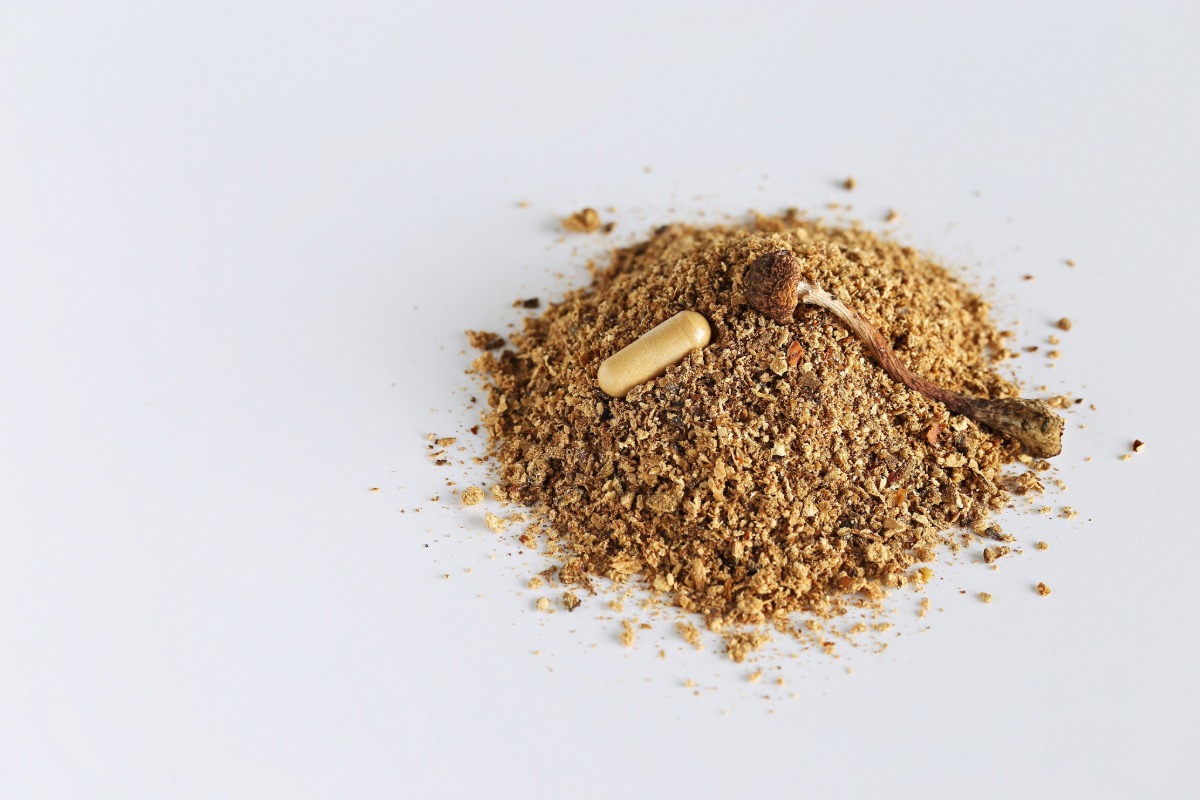
Microdosing psilocybin involves taking approximately 1/10th to 1/20th of a full psychoactive dose of psilocybin mushrooms, typically between 0.1 to 0.3 grams of dried mushrooms. The goal isn’t to experience altered consciousness or visual effects, but rather to access what many describe as subtle improvements in mood, creativity, focus, and emotional resilience.
Unlike traditional psychedelic experiences that can last 6-8 hours and significantly alter perception, a proper microdose should be “sub-perceptual.” This means you might notice enhanced clarity or a slight mood lift, but you should remain completely functional and able to go about your normal daily activities.
The Sub-Perceptual Approach
The concept of sub-perceptual dosing was popularized by Dr. James Fadiman, a psychologist and researcher who has been studying psychedelics for decades. In his research, Fadiman found that people taking these tiny amounts reported benefits without the intensity or time commitment of full psychedelic experiences.
Think of it this way: if a full dose of psilocybin is like turning up the volume on your consciousness to maximum, microdosing is like making subtle adjustments to the equalizer, fine-tuning rather than overwhelming your system.
The Science Behind Psilocybin Microdosing
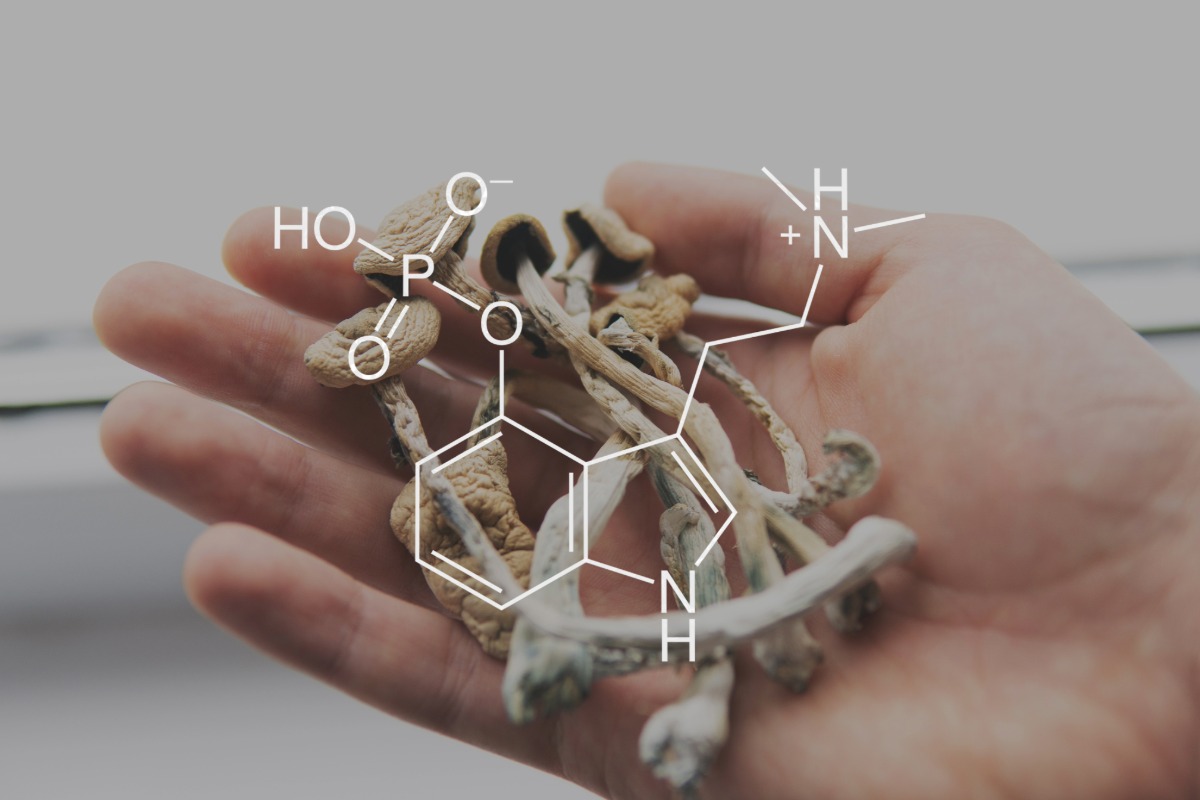
While research into microdosing is still in its early stages, scientists are beginning to understand how small amounts of psilocybin might affect the brain and body. Psilocybin works primarily by activating serotonin 2A receptors in the brain, which are involved in mood regulation, perception, and cognition.
Current Research Findings
A 2024 systematic review published in the Journal of Psychopharmacology examined the current state of psilocybin microdosing research. The review found that while controlled studies are limited, observational research suggests potential benefits including:
- Mood improvements: Reduced symptoms of depression and anxiety
- Enhanced cognitive function: Better focus, creativity, and problem-solving abilities
- Increased emotional resilience: Better stress management and emotional regulation
- Improved social connection: Enhanced empathy and interpersonal relationships
Researchers emphasize that more rigorous, placebo-controlled studies are needed to fully understand these effects and establish safety protocols.
How Microdosing Differs from Full Doses
The National Center for Complementary and Integrative Health notes that while full-dose psilocybin therapy shows promise for treating depression and PTSD in clinical settings, microdosing represents a different approach entirely. Rather than the profound, often challenging experiences associated with therapeutic doses, microdosing aims for gentle, sustainable improvements that can be integrated into daily life.
Potential Benefits of Microdosing Psilocybin
While we must be careful not to overstate the current evidence, surveys and observational studies suggest several areas where people report benefits from microdosing psilocybin mushrooms.
Mood and Mental Health Support
Many microdosers report improvements in overall mood and emotional well-being. A large-scale survey published in PLOS ONE found that participants who microdosed psilocybin reported lower levels of depression, anxiety, and stress compared to non-microdosers. Participants described feeling more emotionally balanced, resilient, and optimistic about life.
It’s important to note that these are self-reported benefits from surveys, not clinical trials. However, the consistency of these reports across different studies suggests there may be genuine effects worth investigating further.
Enhanced Focus and Creativity
One of the most commonly reported benefits of microdosing is improved cognitive function. Users often describe:
- Increased focus: Better ability to concentrate on tasks without distraction
- Enhanced creativity: More innovative thinking and problem-solving approaches
- Improved flow states: Easier access to states of deep engagement and productivity
- Better cognitive flexibility: Ability to switch between different concepts or perspectives
These effects may be particularly appealing to knowledge workers, artists, and anyone whose work requires sustained mental effort and creative thinking.
Stress Management and Emotional Resilience
Research suggests that microdosing might help people develop better coping strategies for stress and emotional challenges. Users report feeling more equipped to handle difficult situations, less reactive to stressors, and more capable of maintaining emotional equilibrium during challenging times.
This doesn’t mean microdosing eliminates stress or difficult emotions, rather, it may help people relate to these experiences in a more balanced and constructive way.
Understanding the Risks and Limitations
While the potential benefits of microdosing are intriguing, it’s crucial to understand the risks and limitations of this practice. Responsible exploration requires honest acknowledgment.
Potential Side Effects
Even at microdoses, psilocybin can cause side effects in some people. Recent research published in Neuropsychopharmacology identified several potential side effects of microdosing, including:
- Sleep disturbances: Some people experience insomnia or changes in sleep patterns
- Increased anxiety: Paradoxically, some individuals may feel more anxious rather than less
- Cardiovascular effects: Slight increases in blood pressure and heart rate
- Digestive issues: Nausea or stomach discomfort, particularly when starting
- Headaches: Some users report mild headaches, especially during adjustment periods
Who Should Avoid Microdosing
Microdosing psilocybin is not appropriate for everyone. You should avoid microdosing if you:
- Have a personal or family history of psychotic disorders or schizophrenia
- Are taking certain medications, particularly SSRIs or MAOIs
- Have severe cardiovascular conditions
- Are pregnant or breastfeeding
- Have a history of substance abuse or addiction
- Are under 21 years of age
Always consult with a healthcare provider before beginning any microdosing regimen, especially if you have underlying health conditions or take medications.
Legal Considerations and Current Status
The legal landscape surrounding psilocybin is complex and rapidly evolving. Understanding the current legal status is crucial before considering any form of psilocybin use, including microdosing.
Federal Legal Status
At the federal level in the United States, psilocybin remains classified as a Schedule I controlled substance, meaning it’s illegal to possess, distribute, or use outside of approved research settings. This classification applies regardless of the amount or intended use, including microdosing.
State and Local Developments
However, several states and municipalities have begun changing their approach to psilocybin:
- Oregon: Has legalized psilocybin therapy in supervised clinical settings
- Colorado: Passed legislation allowing supervised psilocybin use for adults 21 and older
- Several cities including Oakland, Santa Cruz, and Washington D.C. have decriminalized psilocybin possession
Even in areas with more permissive local laws, federal prohibition still applies, creating a complex legal environment that requires careful consideration.
The Importance of Legal Compliance
Given the current legal status, anyone interested in psilocybin microdosing should:
- Research local and state laws thoroughly
- Consider waiting for legal therapeutic options to become available
- Explore legal alternatives like functional mushroom blends
- Stay informed about changing legislation in their area
Microdosing Protocols and Approaches
For educational purposes, it’s important to understand how microdosing protocols are typically structured. This information is provided for educational purposes only and should not be considered medical or legal advice.
Common Dosing Schedules
Researchers and practitioners have developed several approaches to microdosing schedules:
The Fadiman Protocol: Take a microdose every third day (Day 1: dose, Day 2: off, Day 3: off, Day 4: dose, repeat). This schedule allows time for tolerance to reset between doses.
The Stamets Protocol: Developed by mycologist Paul Stamets, this involves taking a microdose for four consecutive days, followed by three days off. This protocol often includes additional supplements like lion’s mane mushroom and niacin.
Intuitive Dosing: Some people prefer a more flexible approach, taking microdoses based on their needs and schedule rather than following a strict protocol.
Dosage Considerations
Typical microdoses range from 0.1 to 0.3 grams of dried psilocybin mushrooms, though individual sensitivity varies significantly. The goal is to find the minimum effective dose—the smallest amount that produces subtle positive effects without noticeable psychoactive symptoms.
It’s worth noting that we do not provide specific dosing instructions, as this should only be done under appropriate legal and medical supervision.
Integration and Mindful Practice
One of the most important aspects of any psychedelic exploration, including microdosing, is integration—the process of incorporating insights and experiences into daily life in meaningful ways.
The Role of Set and Setting
Even with microdoses, the concepts of “set” (your mindset and emotional state) and “setting” (your physical and social environment) remain important. Approaching microdosing with intention, respect, and proper preparation can significantly influence the experience.
Journaling and Self-Reflection
Many successful microdosers maintain detailed journals to track their experiences, including:
- Mood and energy levels throughout the day
- Cognitive performance and creativity
- Sleep quality and patterns
- Social interactions and relationships
- Any side effects or concerns
This practice helps identify patterns, optimize dosing schedules, and ensure the practice remains beneficial rather than habitual.
Combining with Other Wellness Practices
Microdosing is often most effective when combined with other wellness practices such as:
- Regular meditation or mindfulness practice
- Physical exercise and movement
- Healthy sleep hygiene
- Nutritious diet and proper hydration
- Meaningful social connections
- Creative or artistic pursuits
Legal Alternatives: Functional Mushroom Blends
While psilocybin remains federally illegal, there are legal alternatives that may provide some similar benefits. Functional mushroom blends containing species like Lion’s Mane, Reishi, Cordyceps, and Turkey Tail offer their own unique advantages for cognitive function and overall wellness.
Lion’s Mane for Cognitive Support
Lion’s Mane mushroom contains compounds called hericenones and erinacines that may support nerve growth factor production. Research suggests Lion’s Mane may help with:
- Memory and cognitive function
- Focus and mental clarity
- Neuroprotection and brain health
- Mood regulation
Reishi for Stress and Sleep
Known as the “mushroom of immortality,” Reishi has been used for centuries to support:
- Stress management and adaptation
- Sleep quality and relaxation
- Immune system function
- Overall vitality and well-being
Creating Your Own Functional Mushroom Ritual
Many people find that incorporating legal functional mushrooms into their daily routine provides meaningful benefits while they wait for psilocybin to become more widely available in therapeutic settings. Lynx Caps offers carefully formulated blends that combine multiple functional mushroom species for comprehensive wellness support.
The Future of Psilocybin Research
The field of psilocybin research is advancing rapidly, with numerous clinical trials underway investigating both therapeutic doses and microdosing protocols. Major institutions like Johns Hopkins, Imperial College London, and COMPASS Pathways are conducting rigorous studies that will help us better understand the potential benefits and risks of psilocybin use.
Emerging Research Areas
Current research is exploring psilocybin’s potential applications for:
- Treatment-resistant depression
- End-of-life anxiety and existential distress
- Post-traumatic stress disorder (PTSD)
- Addiction and substance use disorders
- Obsessive-compulsive disorder (OCD)
- Chronic pain management
The Path to Therapeutic Access
As research progresses and safety profiles become better established, we may see expanded access to psilocybin therapy in clinical settings. This could eventually include supervised microdosing protocols for specific conditions or wellness applications.
Safety Guidelines and Best Practices
If you’re in a jurisdiction where psilocybin use is legal and you’re considering microdosing, following safety guidelines is essential for minimizing risks and maximizing potential benefits.
Pre-Microdosing Considerations
Before beginning any microdosing practice:
- Consult with a healthcare provider, especially if you have medical conditions or take medications
- Research the legal status in your specific location
- Ensure you have a reliable, tested source if proceeding legally
- Plan your schedule to avoid important commitments on dosing days
- Establish clear intentions and goals for the practice
During Microdosing
While microdosing:
- Start with the lowest possible dose and adjust gradually
- Maintain detailed records of doses, effects, and any side effects
- Stay hydrated and maintain good nutrition
- Avoid driving or operating machinery until you understand your response
- Have a trusted person aware of your microdosing schedule
When to Stop or Seek Help
Discontinue microdosing and seek medical attention if you experience:
- Persistent anxiety, paranoia, or mood disturbances
- Sleep problems that don’t resolve
- Cardiovascular symptoms like chest pain or irregular heartbeat
- Any concerning physical or psychological symptoms
- Signs that the practice is becoming compulsive rather than intentional
Building a Supportive Community

One of the most valuable aspects of exploring consciousness and wellness practices is connecting with like-minded individuals who share similar interests and values. Whether you’re interested in psilocybin microdosing or functional mushroom wellness, finding community can provide support, education, and accountability.
Online Communities and Resources
Numerous online forums and communities discuss microdosing experiences, research, and best practices. While these can be valuable sources of information and support, remember to verify any advice with reputable sources and healthcare providers.
Local Wellness Groups
Many cities have wellness groups, meditation circles, or consciousness exploration communities where people discuss various approaches to mental health and personal growth. These groups can provide in-person support and connection.
Professional Guidance
As the field evolves, more healthcare providers, therapists, and coaches are becoming knowledgeable about psychedelic wellness practices. Seeking professional guidance can help ensure your exploration is safe, legal, and aligned with your overall health goals.
Conclusion: A Thoughtful Approach to Exploration
Microdosing psilocybin represents an intriguing frontier in wellness and consciousness exploration. While current research suggests potential benefits for mood, creativity, and cognitive function, it’s important to approach this practice with appropriate caution, respect, and awareness of both the legal landscape and potential risks.
For those interested in exploring the benefits of mushrooms for wellness, legal functional mushroom blends offer an accessible starting point. Species like Lion’s Mane, Reishi, Cordyceps, and Turkey Tail provide their own unique benefits for cognitive function, stress management, and overall vitality.
Whether you’re drawn to the emerging research on psilocybin microdosing or interested in incorporating functional mushrooms into your wellness routine, the key is approaching these practices with intention, education, and respect for both the substances and your own well-being.
As research continues and legal frameworks evolve, we’ll likely gain a much clearer understanding of how these powerful natural compounds can best support human health and flourishing. Until then, staying informed, prioritizing safety, and maintaining realistic expectations will serve anyone interested in exploring the fascinating world of mushroom wellness.
Explore our carefully crafted functional and magic mushroom blends to begin your journey with legal, well-researched mushroom wellness products that can support your daily ritual of clarity, focus, and vitality.
These statements have not been evaluated by the Food and Drug Administration. Lynx Caps is not intended to diagnose, treat, cure, or prevent any disease. Talk to your healthcare provider before use, especially if you have a medical condition, take medications, are pregnant, or breastfeeding.