Lynx Caps

Psilocybin

magic mushroom tea recipe

Magic Mushroom Tea Recipe: Complete Step-by-Step Guide

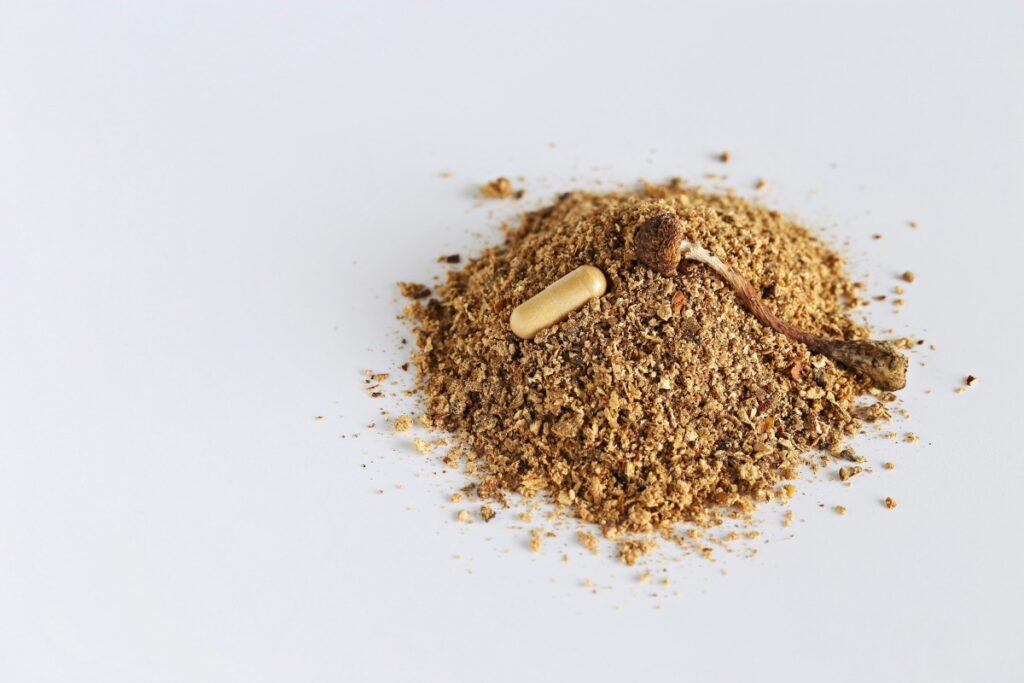
Magic Mushroom Tea Recipe: Complete Step-by-Step Guide Magic Mushroom Tea Recipe: Complete Step-by-Step Guide If you don’t love the taste of dried psilocybin mushrooms, or you want a more comfortable, sip-friendly way to take them, magic mushroom tea is a go-to option for a lot of people.  Magic mushrooms have a long history in wellness traditions, and modern research is still exploring how different mushroom compounds may support mood, mindset, and overall mental well-being. Whether you’re exploring microdosing or looking for a more immersive experience, this is a solid starting point. Why Choose Tea Over Other Methods? Magic mushroom tea offers several advantages over eating dried mushrooms directly. The liquid form is easier on the digestive system, often reducing nausea and stomach discomfort commonly associated with consuming raw mushrooms. Tea also provides faster onset times, typically 15-30 minutes compared to 30-60 minutes when eating mushrooms. This quicker onset allows for better dose control and reduces the temptation to take more before effects begin. The duration may be slightly shorter but often more intense. The brewing process also masks the earthy, sometimes unpleasant taste of mushrooms, making the experience more enjoyable. Adding honey, lemon, or your favorite tea blend can create a pleasant ritual around consumption. For microdosing, tea allows for more precise dosing and can be prepared in larger batches, making consistent daily doses easier to manage. Tea vs Eating Dried Mushrooms (Pros/Cons) Method Why people choose it Common downsides Tea (psilocybin tea) Easier taste, ritual, optional straining, sip-friendly Still variable potency, still possible nausea, extra steps Eating dried mushrooms Simple, no prep Taste/texture, stomach discomfort for some, harder to ease into Essential Equipment for Perfect Mushroom Tea Having the right tools makes all the difference in creating potent, smooth mushroom tea. Here’s what you’ll need for high-quality results: Coffee Grinder: A dedicated spice or coffee grinder is essential for achieving the fine powder needed for optimal extraction. Clean thoroughly before and after use. Blade grinders work well, but burr grinders provide more consistent particle size. Fine Mesh Strainer: A double-layer straining system using both a fine mesh strainer and cheesecloth removes all solid particles, preventing stomach irritation and creating a smooth drinking experience. Digital Thermometer: Temperature control is crucial for preserving psilocybin potency. A digital thermometer ensures your water stays in the optimal 160-180°F range, preventing degradation from excessive heat. Preparation Tips and Best Practices Getting the most out of your magic mushroom tea requires attention to detail in preparation. The key to a potent and pleasant tea lies in proper grinding and temperature control. For optimal extraction, grind your dried mushrooms into the finest powder possible using a coffee grinder or spice mill. The finer the powder, the more surface area exposed to the hot water, resulting in better psilocybin extraction. Clean your grinder thoroughly before and after use to avoid contamination. Water temperature is crucial – boiling water can degrade psilocybin. After bringing water to a boil, let it cool for 60-90 seconds before adding your mushroom powder. The ideal temperature range is 160-180°F (70-80°C). Steep for 15-30 minutes, stirring occasionally to ensure even extraction. Consider adding ginger not just for flavor, but to help reduce potential nausea. Fresh ginger is more effective than powdered, and lemon juice may help with psilocybin conversion and absorption. Grab your tea pot, and let’s get into it. Prep Time10 min Cook Time15 min Total Time25 min Yield1 Cup Tea Cuisine International Course Drinks Tea Cooking Method Boiling Suitable for Diet Diabetic Gluten Free Halal Hindu Kosher Low Calorie Low Fat Low Lactose Low Salt Vegan Vegetarian Psilocybin Tea Ingredients Tea Tea of your choice (you can use a tea bag or boxed tea) Psilocybin Mushrooms. Prefer truffles? You can substitute magic truffles for mushrooms. (see below for dosage)* 2 Cups Water Freshly squeezed lemon juice to taste (optional) Honey to taste (optional) Ginger to taste (optional) Sugar to taste (optional) Mushroom Tea Directions Preparing the tea 1 Start by boiling water in a pot or kettle. 2 While the water is boiling, grind up the dried shrooms into a fine powder using a coffee grinder or similar tool. 3 Once the water is boiling, remove it from the heat and let it cool for about 1 minute. This step is important because you don’t want to burn the mushrooms. 4 Add the mushroom powder to the tea infuser and steep in hot water for 15-30 minutes. 5 Now add the tea to tea cups and flavor to taste. Common ingredients are lemon juice, ginger, honey, and even sugar. 6 Enjoy your tea responsibily! Advanced Flavor Combinations and Recipes Transform your mushroom tea from medicinal to delicious with these carefully crafted flavor combinations that complement psilocybin while adding therapeutic benefits: Calming Chamomile Blend: Combine your mushroom tea with chamomile flowers, a touch of lavender, and honey. This combination promotes relaxation and can help reduce pre-experience anxiety. The chamomile’s natural calming properties work synergistically with psilocybin’s mood-enhancing effects. Digestive Ginger-Lemon Formula: Fresh ginger root (not powder) combined with fresh lemon juice creates a powerful anti-nausea blend. Add a cinnamon stick for warmth and additional digestive support. This combination is particularly effective for sensitive stomachs. Focus-Enhancing Green Tea Base: Use high-quality green tea as your base for microdosing sessions. The L-theanine in green tea promotes calm focus, while the mild caffeine can enhance the clarity often reported with psilocybin microdoses. Important Notes on Magic Mushroom Dosage Psilocybin potency can vary widely by source, species, and batch, so there’s no “one-size-fits-all” dose. If you’re exploring psilocybin in a legal setting, the safest approach is to start low, keep variables consistent, and prioritize set + setting. Microdose (Sub-Perceptual) (0.1 to 0.5 grams) A microdose is a very small amount intended to be barely noticeable, no “high,” no strong perceptual shifts, just subtle changes some people describe as improved mood, steadier focus, or a lighter mental load over time. Low Dose (Light Effects) (1 gram) A low dose may produce mild euphoria, a brighter emotional

Magic Mushroom Tea Recipe: Complete Step-by-Step Guide Read More »
psilocybin microdosing for focus

Psilocybin Microdosing for Focus: Navigating Work, Boundaries, and Realistic Expectations

Psilocybin microdosing for focus involves taking sub-perceptual doses (1/10th to 1/20th of a full dose) to potentially enhance concentration and mental clarity without noticeable psychoactive effects. However, effects are highly individual, unpredictable, and carry legal and professional risks in workplace settings.

Psilocybin Microdosing for Focus: Navigating Work, Boundaries, and Realistic Expectations Read More »

psilocybe cubensis strains

10 Popular Psilocybe Cubensis Mushroom Strains: Complete Guide

Table of Contents 10 Popular Psilocybe Cubensis Mushroom Strains: Complete Guide Table of Contents Psilocybe cubensis, also known as magic mushrooms, has captured the fascination of many seeking to explore its intriguing properties. Renowned for its potential in various fields such as mental health and spiritualism, this species stands out with a rich history and cultural significance that continue to be subjects of study and discussion. As enthusiasts delve into cultivation techniques or researchers investigate therapeutic uses, psilocybe cubensis remains at the forefront of psychedelic research. This listicle peels back the layers on this remarkable fungus, offering insights into why it’s become such a focal point for both scientific inquiry and personal discovery. For an in-depth look at our top picks that shed light on the multifaceted aspects of psilocybe cubensis, read on. How to Choose the Right Psilocybe Cubensis Strain Selecting the perfect psilocybe cubensis strain depends on your experience level and cultivation goals. Beginners should start with hardy, forgiving varieties like Golden Teacher or B+, which are known for their resilience and consistent results. Consider factors like growing difficulty, potency levels, and yield potential when making your selection. Some strains like Penis Envy require more advanced techniques but offer unique characteristics, while others like Cambodian are perfect for those seeking reliable, straightforward cultivation. Always research local laws and regulations before considering any cultivation activities, as legal status varies significantly by location. Strain Characteristics Comparison Understanding the key differences between psilocybe cubensis strains helps you make informed decisions. Each variety has developed unique traits through selective cultivation and natural adaptation. Golden Teacher strains are prized for their balanced characteristics and educational value for new cultivators. B+ varieties offer excellent yields and contamination resistance. Penis Envy strains are known for their distinctive appearance and potent alkaloid content. Mazatapec strains connect users to traditional Mexican cultivation practices, while Cambodian varieties offer tropical genetics adapted to warmer climates. Each strain brings its own cultivation requirements and growth patterns. 1. Golden Teacher Golden Teacher mushrooms are easily identified by their iconic golden caps with specks of yellow. They stand out in the wild and among other Psilocybe cubensis varieties due to this unique feature. Beginners often choose Golden Teacher for their first experience with psychoactive compounds because they offer a milder potency compared to other strains. This allows newcomers to ease into the world of psychedelics without feeling overwhelmed. The effects of Golden Teachers are renowned for being insightful, providing users with profound revelations and a sense of interconnectedness that can be pivotal for personal growth. It’s these qualities that make them a favorite among those seeking spiritual or shamanic experiences. Despite their lower potency, they still contain significant amounts of psilocybin, the psychoactive compound responsible for their mind-altering effects. As such, while they may be gentler than high-potency strains, caution and respect should always guide their use. In terms of growing conditions, like many Psilocybe cubensis species, Golden Teachers thrive on substrates rich in nutrients found in materials like wood which is often part of their cultivation medium. 2. B+ Strain The B+ strain of Psilocybe cubensis is renowned for its impressive size. Its fruiting bodies grow notably large, making it a visually striking variety among mushroom strains. Adaptability is one of this strain’s key strengths. It thrives in diverse growing conditions, showcasing resilience that makes it a popular choice for cultivators. This adaptability stems from the strain’s broad geographic origins, which contribute to its robustness and stability. When consumed, the B+ delivers effects that are both warm and positive. Users often report a strong sense of friendliness and an uplifted mood. This makes the B+ particularly suitable for social settings where a high can enhance group interactions without overwhelming individuals. Unlike some potent strains known for intense experiences, the B+ offers more than just potency, it ensures an enjoyable experience with accuracy in its effects. The compounds within this type provide consistency in their impact on body and mind. In terms of coloration, while many cubensis varieties exhibit a brown coloration, what sets the B+ apart are not only visual characteristics but also qualitative attributes such as efforts towards quantification and analysis to ensure purpose-driven usage by enthusiasts seeking specific experiences or researchers engaged in scientific studies. 3. Penis Envy Penis Envy is a unique strain of Psilocybe cubensis, well-known for its unusual phallic shape. Its appearance isn’t the only distinctive feature; it’s also recognized for delivering exceptionally potent effects compared to other strains. Those who seek out Penis Envy are often experienced psychonauts chasing intense visual hallucinations. These powerful experiences make it a sought-after variety within the psychedelic community. However, cultivating Penis Envy mushrooms presents more challenges than other Psilocybe cubensis strains. Their growth cycle is finicky and requires precise conditions to thrive, contributing to their rarity. This difficulty in cultivation directly impacts availability and price. As a result, Penis Envy tends to be rarer on the market and may carry a higher cost when found. Despite these hurdles, the demand remains high due to its reputation for providing profound insights and strong euphoria alongside vivid visual effects. 4. Blue Meanie The Blue Meanie strain is distinguished by its unique reaction to being touched; where fingers meet the mushroom, a bluish hue appears. This color change is due to bruising, a characteristic that makes it stand out among other psilocybe cubensis varieties. Users seeking an intense psychedelic experience often turn to Blue Meanies for their potent effects. The high is known for delivering powerful visuals and prompting deep introspective thoughts, making it a popular choice for those looking to explore their inner psyche or enhance creative thinking. In cultivation circles, this strain has earned recognition for its rapid colonization times. Its mycelial growth proves more aggressive than many of its counterparts, which can be advantageous for cultivators eager to see quick results from their efforts. Bluish bruising on handling Euphoric high with strong visual components Deep introspection encouraged by use Faster and more aggressive mycelial growth compared to other

10 Popular Psilocybe Cubensis Mushroom Strains: Complete Guide Read More »

history of psychedelic mushrooms

A History of Psychedelic Mushrooms: From Ancient Rituals to Modern Research

Psychedelic mushrooms have been used for over 3,000 years, from ancient Aztec ceremonies to modern clinical trials. Called ‘teonanácatl’ (flesh of the gods), these psilocybin-containing fungi were sacred medicines before becoming prohibited substances, and are now experiencing a research renaissance for treating depression and anxiety.

A History of Psychedelic Mushrooms: From Ancient Rituals to Modern Research Read More »

Psilocybin and Depression: What Clinical Trials Are Exploring So Far

Table of Contents Psilocybin and Depression: What Clinical Trials Are Exploring So Far Table of Contents Quick Take: Clinical research into psilocybin for depression has gained significant momentum over the past decade. While promising early results suggest potential benefits for treatment-resistant depression and major depressive disorder, this research remains in clinical trial phases. Here’s what the science shows so far, what questions remain unanswered, and why this matters for the future of mental health support. The Current Landscape of Psilocybin Depression Research The resurgence of psychedelic research has brought psilocybin, the active compound found in certain mushrooms, into the spotlight as researchers explore its potential role in supporting mental health. Unlike the recreational use that dominated public perception for decades, today’s clinical trials follow rigorous scientific protocols in controlled therapeutic settings. Major research institutions including Johns Hopkins, Imperial College London, and UCSF are conducting FDA-approved studies to understand how psilocybin might support people experiencing various forms of depression. These studies represent a significant shift from the research hiatus that lasted from the 1970s until the early 2000s. What Makes Psilocybin Different from Traditional Approaches Traditional antidepressant medications typically work by adjusting neurotransmitter levels over time, often requiring weeks or months to show effects. Psilocybin appears to work through different mechanisms, potentially promoting neuroplasticity and creating new neural pathways that may support lasting changes in mood and perspective. Research suggests that psilocybin may help “reset” certain brain networks, particularly the default mode network, which is often overactive in people experiencing depression. This reset effect, combined with therapeutic support, may create opportunities for new patterns of thinking and emotional processing. Major Clinical Trials and Their Findings Johns Hopkins Breakthrough Therapy Research The Johns Hopkins Center for Psychedelic and Consciousness Research has conducted several landmark studies. Their 2020 research, published in JAMA Psychiatry, followed 24 participants with major depressive disorder through a year-long study period. Key findings included: Significant reduction in depression scores within one week of treatment Effects that persisted for up to 12 months in many participants Response rates of approximately 75% at the one-month mark Remission rates of over 50% at various follow-up points Importantly, these results occurred in a carefully controlled environment with extensive preparation and integration support from trained therapists. Imperial College London’s Treatment-Resistant Depression Studies Researchers at Imperial College London have focused specifically on treatment-resistant depression, studying individuals who haven’t responded to multiple traditional treatments. Their phase 2 trials have shown promising results, with participants experiencing rapid improvements in depression scores. The Imperial studies are particularly significant because they focus on people who have tried multiple conventional treatments without success, representing some of the most challenging cases in depression care. COMPASS Pathways’ Large-Scale Trials COMPASS Pathways has conducted some of the largest psilocybin depression trials to date, including a phase 2b study published in the New England Journal of Medicine. This randomized, controlled trial involved 233 participants across multiple sites. The study tested different doses of synthetic psilocybin (10mg, 25mg) against a 1mg control dose, finding that the 25mg dose showed the most significant improvements in depression scores over a three-week period. Understanding the Therapeutic Process  Psilocybin-Assisted Therapy vs. Medication Alone Current clinical trials don’t simply give participants psilocybin and measure outcomes. Instead, they use a comprehensive approach called psilocybin-assisted therapy, which includes: Preparation sessions: Multiple meetings with trained therapists to prepare participants mentally and emotionally Dosing sessions: Carefully supervised experiences in clinical settings with therapeutic support Integration sessions: Follow-up therapy to help participants process and integrate their experiences This therapeutic framework appears crucial to the positive outcomes observed in trials. The psilocybin experience itself may create a window of enhanced neuroplasticity, while the therapeutic support helps individuals make meaningful use of this period. The Role of Set and Setting Clinical trials emphasize the importance of “set and setting” – the participant’s mindset and the physical environment. Research sessions typically occur in comfortable, living room-like spaces with trained therapists present throughout the experience. This controlled approach differs significantly from recreational use and appears essential for therapeutic outcomes. The supportive environment helps ensure safety while maximizing the potential for positive therapeutic experiences. Types of Depression Being Studied Major Depressive Disorder (MDD) Most psilocybin depression research focuses on major depressive disorder, the most common form of clinical depression. Studies typically include participants who meet DSM-5 criteria for MDD and have experienced symptoms for extended periods. Research has shown particular promise for individuals with moderate to severe depression who haven’t found adequate relief through conventional treatments. Treatment-Resistant Depression Treatment-resistant depression, defined as depression that doesn’t respond to multiple conventional treatments, represents a significant focus area. These cases are particularly challenging for traditional approaches, making the rapid effects observed in psilocybin trials especially noteworthy. Studies suggest that psilocybin may offer hope for individuals who have tried multiple antidepressants, therapy approaches, and other interventions without success. Depression in Specific Populations Researchers are also exploring psilocybin’s potential for depression in specific contexts: End-of-life distress: Studies with cancer patients experiencing depression and anxiety related to terminal diagnoses Depression with Parkinson’s disease: UCSF trials examining psilocybin’s effects on depression symptoms in Parkinson’s patients Healthcare worker burnout: Research exploring psilocybin’s potential for depression and burnout in medical professionals Mechanisms of Action: How Psilocybin May Support Mental Health Neuroplasticity and Brain Network Changes Research suggests that psilocybin may promote neuroplasticity, the brain’s ability to form new neural connections. Brain imaging studies show changes in connectivity between different brain regions, particularly in networks associated with mood regulation and self-referential thinking. These changes may help explain why some participants report lasting shifts in perspective and mood following psilocybin-assisted therapy sessions. Serotonin System Interactions Psilocybin primarily works through the serotonin 2A receptor system, which plays important roles in mood, perception, and cognition. This interaction may help explain both the acute effects during sessions and the longer-term changes in mood and outlook. Unlike traditional antidepressants that gradually adjust serotonin levels, psilocybin appears to create more dramatic, temporary changes that may catalyze lasting therapeutic benefits. Safety Profile and Considerations Clinical Trial

Psilocybin and Depression: What Clinical Trials Are Exploring So Far Read More »