Magic Mushroom Tea Recipe: Complete Step-by-Step Guide
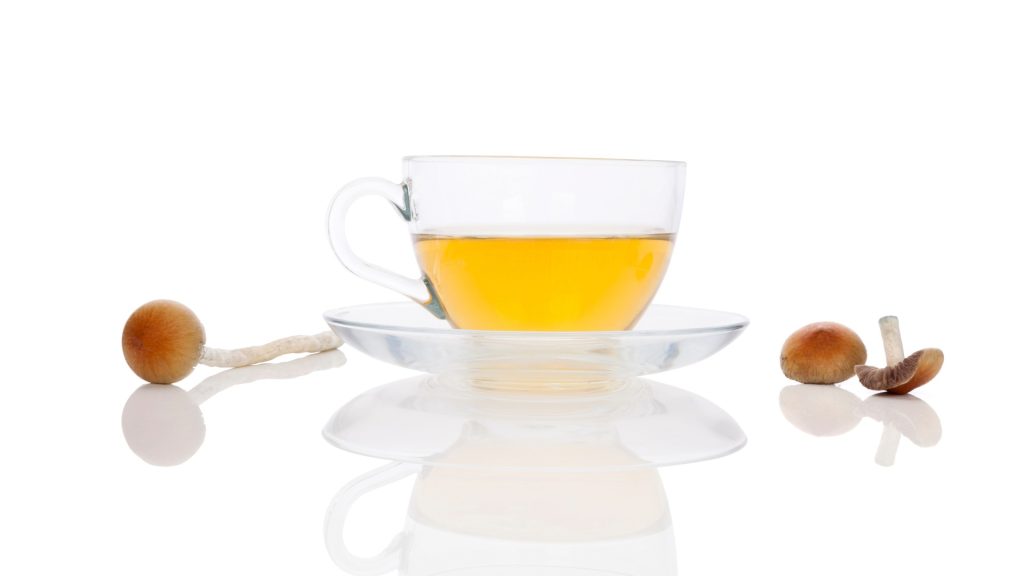
If you don’t love the taste of dried psilocybin mushrooms, or you want a more comfortable, sip-friendly way to take them, magic mushroom tea is a go-to option for a lot of people.
Magic mushrooms have a long history in wellness traditions, and modern research is still exploring how different mushroom compounds may support mood, mindset, and overall mental well-being. Whether you’re exploring microdosing or looking for a more immersive experience, this is a solid starting point.
Why Choose Tea Over Other Methods?
Magic mushroom tea offers several advantages over eating dried mushrooms directly. The liquid form is easier on the digestive system, often reducing nausea and stomach discomfort commonly associated with consuming raw mushrooms.
Tea also provides faster onset times, typically 15-30 minutes compared to 30-60 minutes when eating mushrooms. This quicker onset allows for better dose control and reduces the temptation to take more before effects begin. The duration may be slightly shorter but often more intense.
The brewing process also masks the earthy, sometimes unpleasant taste of mushrooms, making the experience more enjoyable. Adding honey, lemon, or your favorite tea blend can create a pleasant ritual around consumption.
For microdosing, tea allows for more precise dosing and can be prepared in larger batches, making consistent daily doses easier to manage.

Tea vs Eating Dried Mushrooms (Pros/Cons)
| Method | Why people choose it | Common downsides |
|---|---|---|
| Tea (psilocybin tea) | Easier taste, ritual, optional straining, sip-friendly | Still variable potency, still possible nausea, extra steps |
| Eating dried mushrooms | Simple, no prep | Taste/texture, stomach discomfort for some, harder to ease into |
Essential Equipment for Perfect Mushroom Tea
Having the right tools makes all the difference in creating potent, smooth mushroom tea. Here’s what you’ll need for high-quality results:
Coffee Grinder: A dedicated spice or coffee grinder is essential for achieving the fine powder needed for optimal extraction. Clean thoroughly before and after use. Blade grinders work well, but burr grinders provide more consistent particle size.
Fine Mesh Strainer: A double-layer straining system using both a fine mesh strainer and cheesecloth removes all solid particles, preventing stomach irritation and creating a smooth drinking experience.
Digital Thermometer: Temperature control is crucial for preserving psilocybin potency. A digital thermometer ensures your water stays in the optimal 160-180°F range, preventing degradation from excessive heat.
Preparation Tips and Best Practices
Getting the most out of your magic mushroom tea requires attention to detail in preparation. The key to a potent and pleasant tea lies in proper grinding and temperature control.
For optimal extraction, grind your dried mushrooms into the finest powder possible using a coffee grinder or spice mill. The finer the powder, the more surface area exposed to the hot water, resulting in better psilocybin extraction. Clean your grinder thoroughly before and after use to avoid contamination.
Water temperature is crucial – boiling water can degrade psilocybin. After bringing water to a boil, let it cool for 60-90 seconds before adding your mushroom powder. The ideal temperature range is 160-180°F (70-80°C). Steep for 15-30 minutes, stirring occasionally to ensure even extraction.
Consider adding ginger not just for flavor, but to help reduce potential nausea. Fresh ginger is more effective than powdered, and lemon juice may help with psilocybin conversion and absorption.
Grab your tea pot, and let’s get into it.
- Prep Time10 min
- Cook Time15 min
- Total Time25 min
- Yield1 Cup Tea
Psilocybin Tea Ingredients
Tea
- Tea of your choice (you can use a tea bag or boxed tea)
- Psilocybin Mushrooms. Prefer truffles? You can substitute magic truffles for mushrooms. (see below for dosage)*
- 2 Cups Water
- Freshly squeezed lemon juice to taste (optional)
- Honey to taste (optional)
- Ginger to taste (optional)
- Sugar to taste (optional)
Mushroom Tea Directions
Preparing the tea
1
Start by boiling water in a pot or kettle.
2
While the water is boiling, grind up the dried shrooms into a fine powder using a coffee grinder or similar tool.
3
Once the water is boiling, remove it from the heat and let it cool for about 1 minute. This step is important because you don’t want to burn the mushrooms.
4
Add the mushroom powder to the tea infuser and steep in hot water for 15-30 minutes.
5
Now add the tea to tea cups and flavor to taste. Common ingredients are lemon juice, ginger, honey, and even sugar.
6
Enjoy your tea responsibily!
Advanced Flavor Combinations and Recipes
Transform your mushroom tea from medicinal to delicious with these carefully crafted flavor combinations that complement psilocybin while adding therapeutic benefits:
Calming Chamomile Blend: Combine your mushroom tea with chamomile flowers, a touch of lavender, and honey. This combination promotes relaxation and can help reduce pre-experience anxiety. The chamomile’s natural calming properties work synergistically with psilocybin’s mood-enhancing effects.
Digestive Ginger-Lemon Formula: Fresh ginger root (not powder) combined with fresh lemon juice creates a powerful anti-nausea blend. Add a cinnamon stick for warmth and additional digestive support. This combination is particularly effective for sensitive stomachs.
Focus-Enhancing Green Tea Base: Use high-quality green tea as your base for microdosing sessions. The L-theanine in green tea promotes calm focus, while the mild caffeine can enhance the clarity often reported with psilocybin microdoses.
Important Notes on Magic Mushroom Dosage
Psilocybin potency can vary widely by source, species, and batch, so there’s no “one-size-fits-all” dose. If you’re exploring psilocybin in a legal setting, the safest approach is to start low, keep variables consistent, and prioritize set + setting.
Microdose (Sub-Perceptual) (0.1 to 0.5 grams)
A microdose is a very small amount intended to be barely noticeable, no “high,” no strong perceptual shifts, just subtle changes some people describe as improved mood, steadier focus, or a lighter mental load over time.
Low Dose (Light Effects) (1 gram)
A low dose may produce mild euphoria, a brighter emotional tone, and gentle sensory enhancement (music, color, texture). For many beginners, this is the point where effects become clearly noticeable—but still manageable with a calm environment.
Medium Dose (Noticeable Psychedelic Effects) (1.75 grams)
A medium dose is where visual and sensory effects can become more pronounced, along with deeper emotional intensity. This is also where set and setting matter a lot more—quiet space, trusted company, and no obligations.
High Dose (Strong Effects) (3.5 grams)
A high dose can bring strong visual and sensory distortions and a much more immersive experience. This level carries significantly more risk—especially for anxiety, panic, or difficult psychological content—so it’s generally best reserved for experienced users and legal, supported contexts.
Very High / Beyond High (Not Recommended) (3.5 grams +)
Anything beyond a high-dose range increases unpredictability and risk. Lynx does not encourage pushing into extreme dosing, particularly without experience, screening, support, and a legal framework.
Safety reminder: If you have a personal or family history of psychosis, bipolar disorder, or mania, psychedelics can carry higher risk. When in doubt, consult a qualified professional.
Why dosage is hard to “standardize”
Psilocybin mushrooms are naturally variable. Even within the same “strain,” potency can differ based on:
Genetics
Growing conditions
Storage age/conditions
How evenly material is mixed
That’s why the safest guidance isn’t “take X grams,” but:
Know your source
Start low
Avoid stacking variables
Wait long enough before taking more
Prefer measured, professionally supervised contexts when possible
Microdosing with Tea
Microdosing is often described as a sub-perceptual or barely perceptible dose, meaning you’re not aiming for a full psychedelic experience.
If someone is microdosing via tea, the safer mental model is:
Consistency and predictability matter more than intensity.
You want minimal disruption to normal functioning.
You’re tracking mood, focus, sleep, irritability, and anxiety over time.
Microdosing safety reminders
Don’t microdose on days you need high-risk performance (driving long distance, operating equipment, etc.).
Avoid combining with alcohol or other psychoactives.
If you’re on SSRIs, MAOIs, stimulants, or have a mental health condition, consult a qualified clinician.
Recreational Dosing
For full-dose psychedelic experiences, safety becomes less about “productivity” and more about psychological and environmental risk management.
Higher-intensity experiences require:
A safe, controlled setting
A trusted sober support person (trip sitter)
A clear plan for anxiety/panic moments
No driving, no swimming, no risky environments
Warning: If you have a personal or family history of psychosis, bipolar disorder, or mania, psychedelics can carry heightened risk. Professional screening matters.
What Types of Magic Mushrooms Are Best for Tea?
For tea, there isn’t one “best” type. Most psilocybin-containing species people talk about can be prepared as a warm infusion. What matters more is legality where you live, clean sourcing, and consistency, since potency can vary widely between species and even between batches. And a quick safety reminder: never consume wild mushrooms unless they’ve been identified by a qualified expert, as look-alikes can be dangerous.
Different Types of Psychedelic Mushrooms
Below are some commonly encountered psilocybin-containing species (and common names you may see referenced):
Psilocybe azurescens — “Flying Saucer Mushrooms”
Psilocybe baeocystis — “Knobby Tops,” “Blue Bells,” “Bottle Caps”
Psilocybe caerulescens — “Landslide Mushrooms”
Psilocybe caerulipes — “Blue Foot Mushroom”
Psilocybe cubensis — “Golden Teachers”
Psilocybe cyanescens — “Wavy Caps”
Copelandia cyanescens — “Blue Meanies”
Psilocybe mexicana — “Conical Caps”
Psilocybe semilanceata — “Liberty Caps”
Psilocybe stuntzii — “Blue Ringer Mushroom,” “Stuntz’s Blue Legs”
Psilocybe tampanensis — “Magic Truffles”
Psilocybe zapotecorum — “Drunken Mushroom”
Batch Preparation for Microdosing
For consistent microdosing routines, prepare larger batches of mushroom powder in advance. Grind 7-14 days worth of doses at once, then store in individual capsules or small containers marked with exact weights.
Create a standardized tea blend by mixing your preferred herbs (chamomile, ginger, lemon balm) in advance. This ensures consistent flavor and effects across multiple preparation sessions. Store the blend in an airtight container and use 1-2 teaspoons per cup of tea.
Consider preparing concentrated mushroom extract that can be added to any hot beverage. Steep a larger amount of mushroom powder in hot water for 30 minutes, strain thoroughly, and store the liquid concentrate in the refrigerator for up to 3 days.
Quality Assessment and Testing
Before preparing tea, visually inspect your mushrooms for signs of mold, unusual discoloration, or pest damage. Fresh, properly dried mushrooms should have a consistent color and break cleanly without excessive crumbling.
Test potency with micro-doses before preparing larger amounts. Start with 0.1g to assess the strength of your particular batch, as potency can vary significantly between sources and harvests.
Keep detailed notes about each batch including source, preparation method, effects, and duration. This creates a personal database for consistent dosing and helps identify the most effective preparation techniques for your needs.
Advanced Brewing Techniques
Cold extraction offers a gentler alternative to hot brewing, potentially preserving more delicate compounds. Combine ground mushrooms with room temperature water and steep for 2-4 hours, stirring occasionally. Strain and consume, or gently warm before drinking.
Double extraction combines both hot and cold methods for maximum compound extraction. First perform a cold extraction, then heat the strained liquid to 160°F for 15 minutes. This method may provide more complete extraction of both water-soluble and heat-sensitive compounds.
Alcohol tincture preparation creates a shelf-stable concentrate. Combine ground mushrooms with high-proof alcohol (40%+ ethanol) and steep for 2-4 weeks, shaking daily. Strain and store in dark dropper bottles. Add 5-10 drops to any hot beverage for consistent dosing.
Storage and Preservation Guide
Proper storage is crucial for maintaining the potency and safety of your magic mushroom tea ingredients. Store dried mushrooms in airtight containers away from light, heat, and moisture. A cool, dark pantry or refrigerator works best, with properly stored mushrooms maintaining potency for 6-12 months.
For prepared tea, consume immediately for best results. If you must store prepared tea, refrigerate in a dark glass container for no more than 24 hours. Never freeze mushroom tea, as this can break down the active compounds and create an unpleasant texture.
Ground mushroom powder should be used within 2-3 days of grinding for optimal potency. Store in small, airtight containers and label with the date of preparation to track freshness.
Safety and Set & Setting
Always consume magic mushroom tea in a safe, comfortable environment with trusted individuals. Start with lower doses, especially if you’re new to psychedelics or trying tea for the first time.
Ensure you have no responsibilities for the next 6-8 hours and avoid driving or operating machinery. Have a sober trip sitter present, especially for higher doses. Keep water and light snacks available, and create a playlist of calming music.
Be aware of your local laws regarding psilocybin mushrooms. While some areas have decriminalized possession, they remain federally illegal in most countries. Research your local regulations before obtaining or consuming.