Quick Take: Psilocybin, the active compound in certain mushrooms, is emerging as one of the most studied psychedelic compounds for anxiety-related conditions. While research is still in its early stages, clinical trials at prestigious institutions like Johns Hopkins and NYU are revealing promising results for specific types of anxiety, particularly in controlled therapeutic settings. Here’s what the science tells us so far.
Understanding Psilocybin: More Than Just a Psychedelic
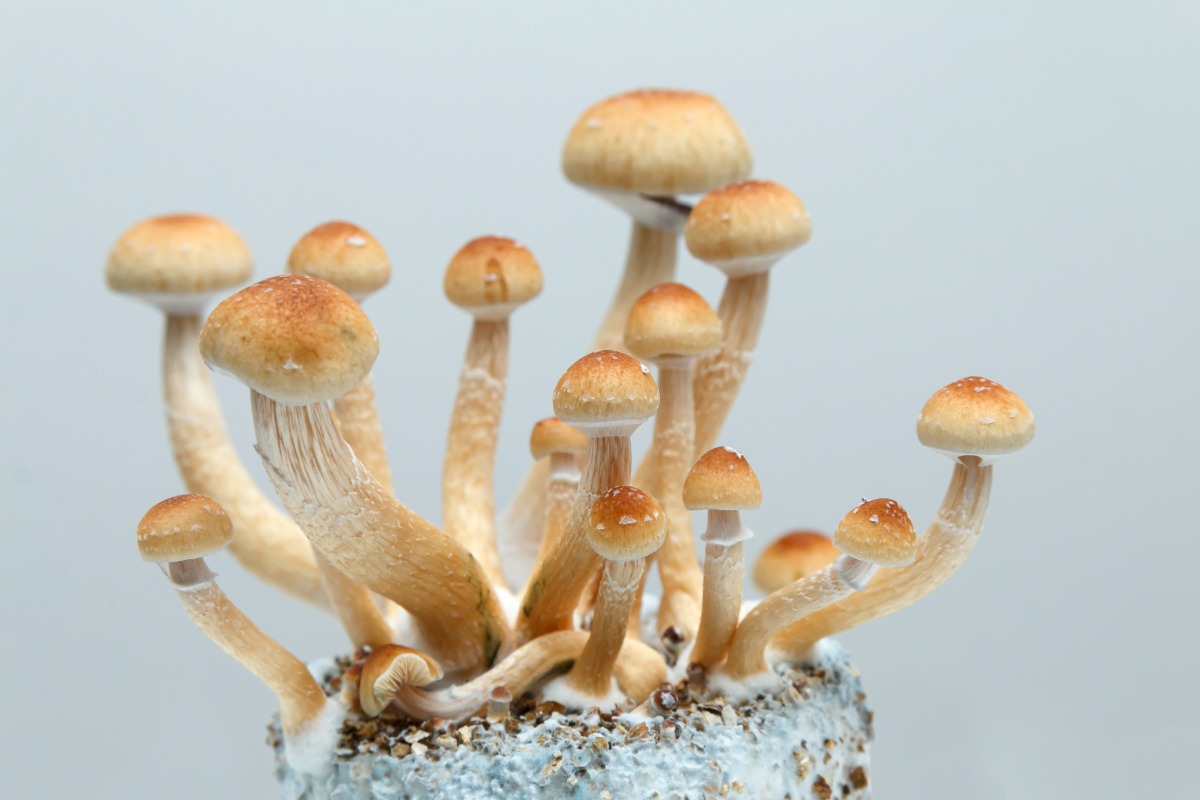
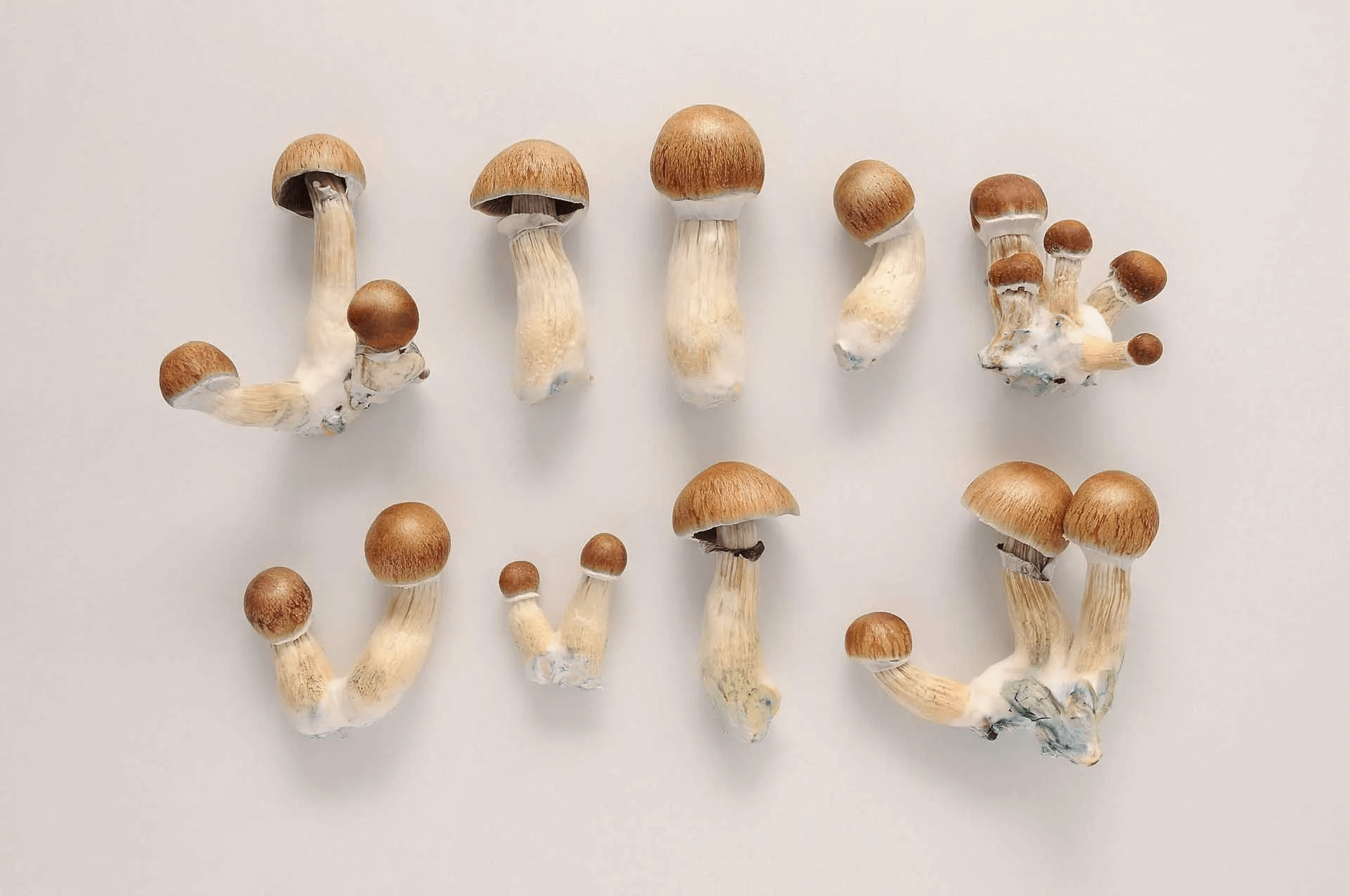
Psilocybin is a naturally occurring compound found in over 200 species of mushrooms. When consumed, it’s converted in the body to psilocin, which primarily acts on serotonin 5-HT2A receptors in the brain. This interaction creates what researchers call “altered states of consciousness” that may have therapeutic potential.
Unlike recreational use, psilocybin-assisted therapy involves carefully controlled doses administered in clinical settings with trained professionals. This approach, often called “microdosing” in therapeutic contexts, focuses on subtle perceptual changes rather than intense psychedelic experiences.
The Current State of Psilocybin Anxiety Research
Landmark Studies and Their Findings
The most significant research on psilocybin for anxiety has focused on specific populations, particularly individuals facing life-threatening illnesses. A groundbreaking 2016 study published in the Journal of Psychopharmacology examined 51 cancer patients experiencing anxiety and depression related to their diagnosis.
The results were remarkable: approximately 80% of participants showed clinically significant decreases in both anxiety and depressed mood that persisted for at least six months. Participants described the experience as among the most meaningful of their lives, with many reporting lasting changes in their relationship with death anxiety.
Similarly, NYU Langone’s concurrent study found that a single dose of psilocybin, combined with counseling, significantly reduced depression and anxiety in cancer patients, with effects lasting up to 6.5 months.
How Psilocybin May Help with Anxiety
Research suggests psilocybin may help with anxiety through several mechanisms:
- Neuroplasticity Enhancement: Studies show psilocybin may promote the growth of new neural connections, potentially helping the brain form new, healthier thought patterns
- Default Mode Network Reset: The compound appears to quiet overactive brain networks associated with rumination and self-critical thinking
- Serotonin System Modulation: By interacting with serotonin receptors, psilocybin may help regulate mood and anxiety responses
- Perspective Shifts: Many participants report lasting changes in how they view their problems and relationships
Types of Anxiety Being Studied

End-of-Life Anxiety
The most robust research focuses on existential anxiety in people with life-threatening diagnoses. Studies at Johns Hopkins, NYU, and other institutions have consistently shown that psilocybin-assisted therapy can help reduce the fear and anxiety surrounding death and dying.
Generalized Anxiety Disorder
While less studied, researchers are beginning to explore psilocybin’s potential for generalized anxiety disorder (GAD). Early findings suggest the compound may help interrupt the cycle of worry and rumination characteristic of GAD.
Social Anxiety
Preliminary research indicates psilocybin might help with social anxiety by reducing self-consciousness and promoting feelings of connection and empathy.
The Clinical Trial Landscape
Current and Upcoming Studies
As of 2024, numerous clinical trials are investigating psilocybin for anxiety-related conditions:
- UCSF: Testing psilocybin for depression in Parkinson’s disease, which often includes anxiety components
- Johns Hopkins: Ongoing studies for various anxiety-related conditions
- NYU: Continuing research on psilocybin-assisted therapy for major depressive disorder with anxiety features
- Multiple Centers: Phase 2 and Phase 3 trials examining psilocybin’s effects on treatment-resistant depression and anxiety
What Makes These Studies Unique
Modern psilocybin research differs significantly from earlier studies in several ways:
- Rigorous Design: Double-blind, placebo-controlled trials with careful dose selection
- Therapeutic Support: Sessions include trained therapists who provide guidance and support
- Careful Screening: Participants undergo extensive psychological and medical evaluation
- Long-term Follow-up: Studies track participants for months or years to assess lasting effects
Understanding the Therapeutic Process
Preparation Phase
In clinical settings, psilocybin therapy begins with extensive preparation. Participants typically meet with therapists multiple times to build trust, set intentions, and prepare for the experience. This phase is crucial for creating a safe, supportive environment.
The Session Experience
During psilocybin sessions, participants typically:
- Receive a carefully measured dose in a comfortable, controlled environment
- Have two trained therapists present for support and safety
- Spend 6-8 hours in the session, often with music and eyeshades to promote introspection
- Experience varying degrees of altered consciousness, from subtle shifts to profound insights
Integration and Follow-up
The integration phase may be the most important part of the process. Participants work with therapists to understand and incorporate insights from their experience into daily life. This ongoing support helps maximize therapeutic benefits.
Promising Results and Limitations

What the Research Shows
Current studies suggest psilocybin-assisted therapy may offer several benefits for anxiety:
- Rapid Onset: Many participants report improvements within days or weeks
- Lasting Effects: Benefits often persist for months after a single session
- High Response Rates: Studies show 60-80% of participants experience clinically significant improvement
- Quality of Life: Participants often report improved relationships, meaning, and life satisfaction
Important Limitations and Considerations
While promising, psilocybin research has important limitations:
- Small Sample Sizes: Most studies involve fewer than 100 participants
- Specific Populations: Much research focuses on cancer patients or treatment-resistant cases
- Blinding Challenges: It’s difficult to create true placebo controls with psychoactive substances
- Individual Variation: Not everyone responds positively to psilocybin therapy
- Potential Risks: Some participants experience temporary anxiety or challenging emotions during sessions
The Neuroscience Behind Psilocybin’s Effects
Brain Network Changes
Recent neuroimaging studies reveal how psilocybin affects brain function. The compound appears to:
- Reduce activity in the default mode network, associated with self-referential thinking
- Increase connectivity between normally separate brain regions
- Promote neuroplasticity and the formation of new neural pathways
- Modulate amygdala activity, the brain’s fear center
Interesting Research Findings
A 2024 study published in iScience revealed that psilocybin’s anxiety-related effects may not depend entirely on the 5-HT2A receptor, suggesting multiple pathways of action. This research helps explain why some people experience temporary anxiety during psilocybin sessions while still benefiting long-term.
Safety Profile and Side Effects
Common Side Effects
In clinical settings, psilocybin is generally well-tolerated. Common side effects include:
- Temporary increases in blood pressure and heart rate
- Nausea (usually mild and brief)
- Temporary anxiety or emotional intensity during sessions
- Fatigue following sessions
- Headaches (rare)
Contraindications and Precautions
Psilocybin therapy isn’t appropriate for everyone. Contraindications may include:
- Personal or family history of psychotic disorders
- Certain cardiovascular conditions
- Current use of specific medications (particularly MAOIs)
- Severe, unstable mental health conditions
- Pregnancy or breastfeeding
Legal Status and Access
Current Legal Framework
Psilocybin remains federally illegal in the United States, classified as a Schedule I substance. However, the landscape is changing:
- FDA Breakthrough Therapy: Psilocybin has received breakthrough therapy designation for treatment-resistant depression
- State-Level Changes: Oregon has legalized psilocybin therapy, with other states considering similar measures
- Clinical Trials: Legal research continues under federal oversight
- Compassionate Use: Some patients may access psilocybin through expanded access programs
Accessing Psilocybin Therapy
Currently, legal access to psilocybin therapy is limited to:
- Participation in approved clinical trials
- Compassionate use programs (rare)
- Licensed therapy centers in Oregon (beginning 2023)
- Certain international locations with different legal frameworks
The Role of Functional Mushrooms in Daily Wellness
While psilocybin research continues, many people are exploring functional mushrooms for daily wellness support. Compounds like Lion’s Mane, Reishi, and Cordyceps offer different benefits:
- Lion’s Mane: May support cognitive function and focus
- Reishi: Traditionally used for stress management and relaxation
- Cordyceps: May help with energy and endurance
- Turkey Tail: Contains compounds that may support immune function
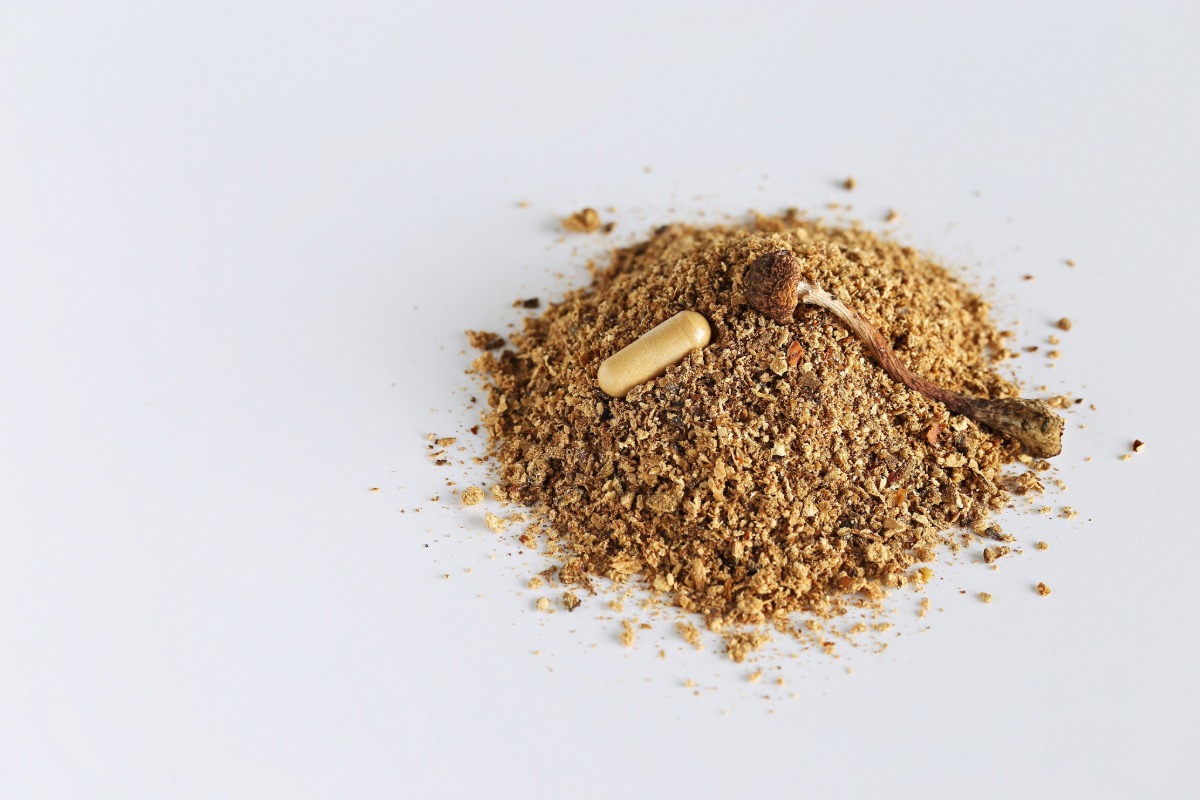
These functional mushrooms work through different mechanisms than psilocybin and can be incorporated into daily routines as part of a holistic wellness approach. Our Everyday Capsules blend combines these powerful functional mushrooms for daily support.
Future Directions in Psilocybin Research
Expanding Applications
Researchers are exploring psilocybin’s potential for various anxiety-related conditions:
- Post-traumatic stress disorder (PTSD)
- Obsessive-compulsive disorder (OCD)
- Eating disorders with anxiety components
- Addiction-related anxiety
- Performance anxiety
Optimizing Treatment Protocols
Current research focuses on:
- Determining optimal dosing strategies
- Identifying which patients respond best
- Developing group therapy models
- Creating standardized training for therapists
- Exploring combination therapies
The Importance of Professional Guidance
If you’re interested in psilocybin therapy for anxiety, it’s crucial to work with qualified professionals. The therapeutic setting, proper screening, and integration support are essential components of safe, effective treatment.
While research continues to evolve, psilocybin represents a promising new approach to anxiety treatment that may offer hope for those who haven’t found relief through traditional methods.
Supporting Your Wellness Journey
Whether you’re exploring cutting-edge treatments like psilocybin therapy or incorporating functional mushrooms into your daily routine, the key is finding approaches that support your individual wellness goals. At Lynx Caps, we’re committed to providing high-quality functional mushroom products that can complement your wellness journey.
Our carefully formulated blends combine traditional wisdom with modern quality standards, offering a natural way to support focus, energy, and overall well-being as part of your daily ritual.
For those interested in exploring the benefits of psilocybin in a legal, controlled manner, consider our Magic Capsules, which contain a carefully measured blend designed for microdosing and daily enhancement.
Related Articles:
- Psilocybin and Depression: What Clinical Trials Are Exploring
- Complete Guide to Microdosing Mushrooms
- The Science Behind Functional Mushrooms
Disclaimer: These statements have not been evaluated by the Food and Drug Administration. Lynx Caps is not intended to diagnose, treat, cure, or prevent any disease. Talk to your healthcare provider before use, especially if you have a medical condition, take medications, are pregnant, or breastfeeding.