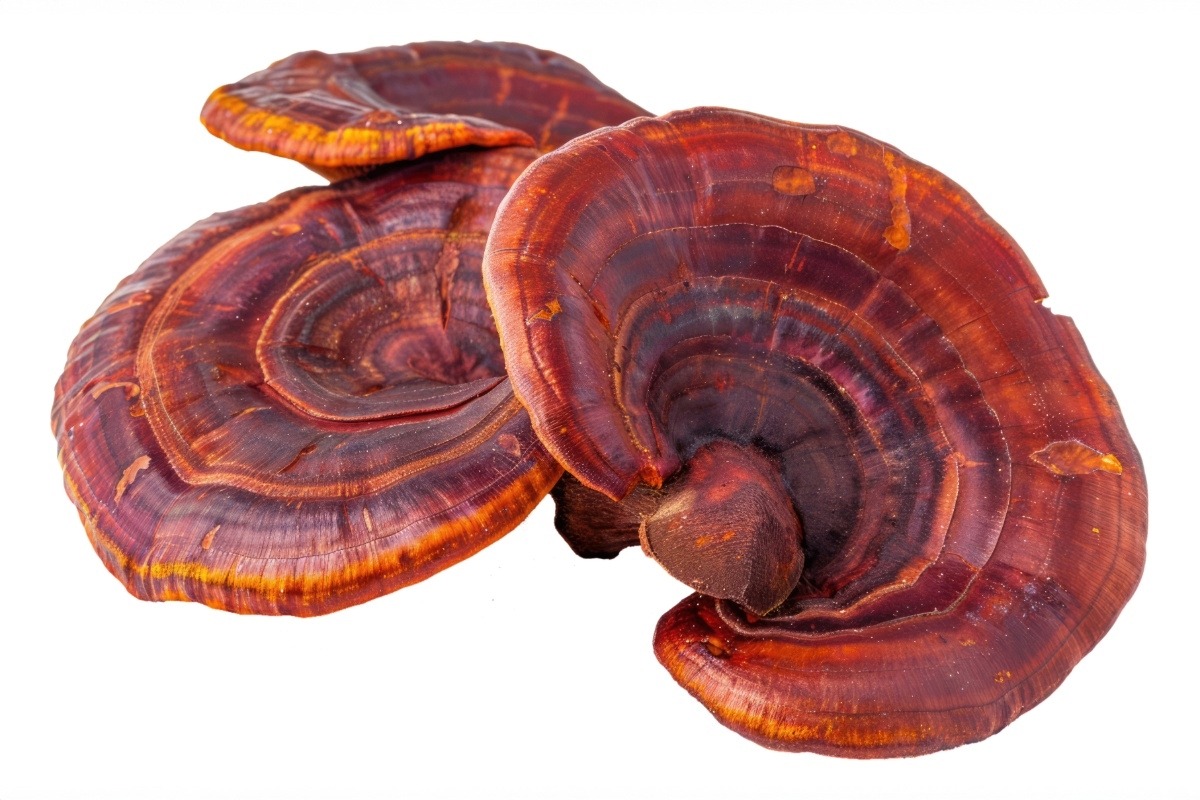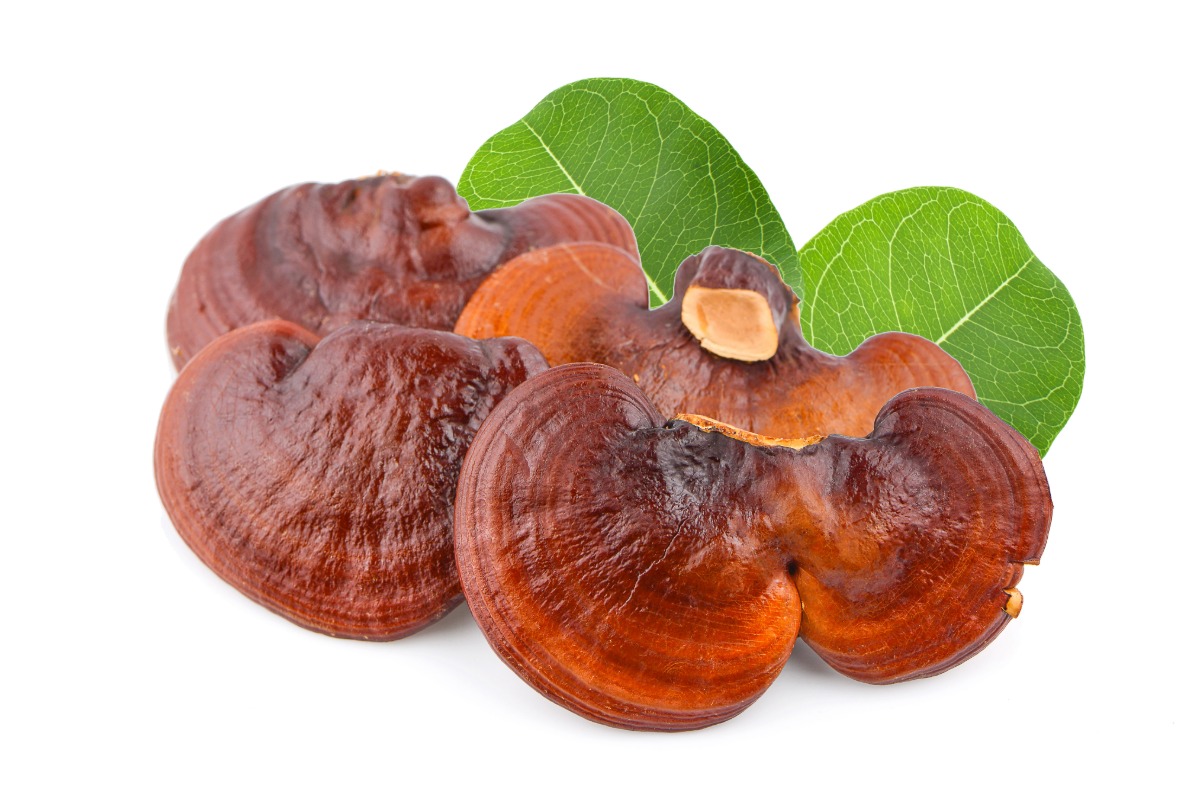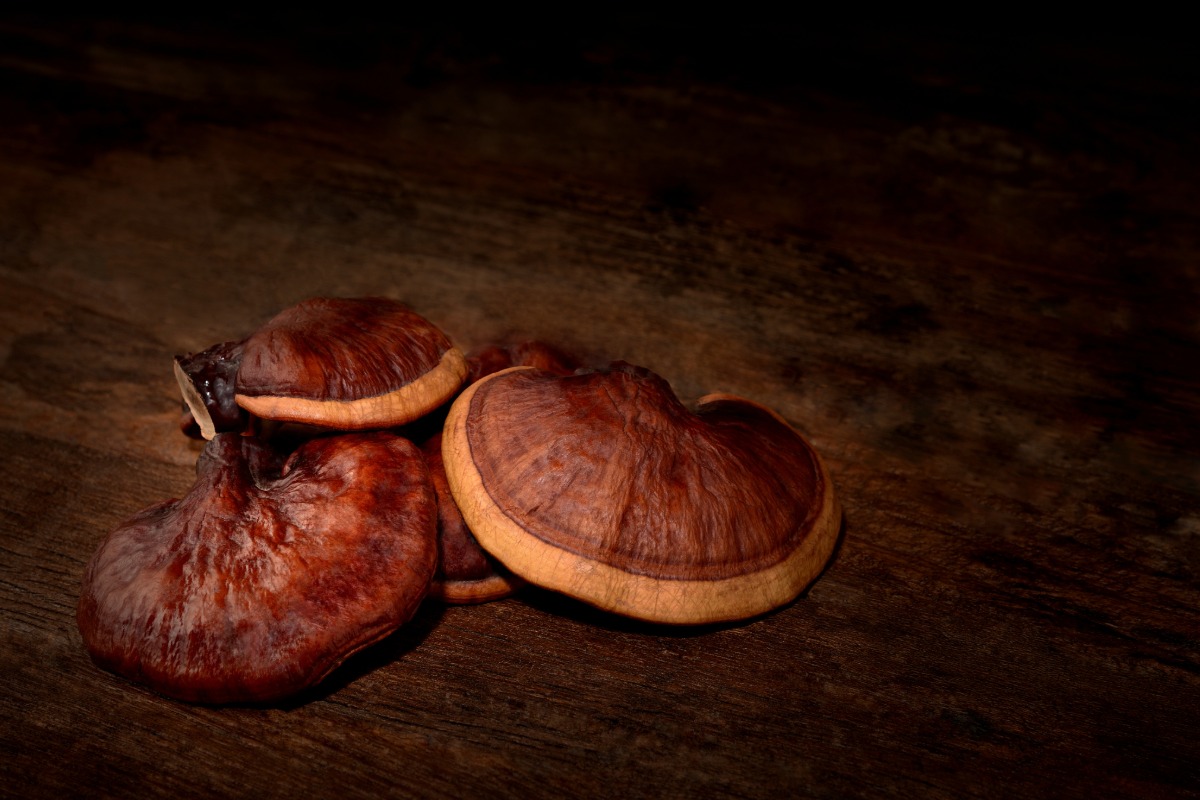
Quick take: Reishi mushrooms contain natural compounds called beta-glucans and polysaccharides that researchers are studying for their potential to support immune balance. Here’s what these compounds actually are and why they matter for your wellness routine.
You’ve probably heard that reishi mushrooms can support immune health, but what does that actually mean? And what are these mysterious compounds, beta-glucans and polysaccharides, that everyone keeps talking about?
If you’re curious about the science behind functional mushrooms but don’t want to wade through dense research papers, you’re in the right place. Let’s break down what these compounds are, how they work, and why reishi has earned its reputation as the “mushroom of immortality.”
What Are Polysaccharides? (The Simple Answer)
Think of polysaccharides as nature’s building blocks, they’re essentially long chains of sugar molecules linked together. But before you think “sugar = bad,” these aren’t the same as the sugar in your coffee. These are complex carbohydrates that your body uses for energy, structure, and communication between cells.
In mushrooms like reishi, polysaccharides serve as the mushroom’s structural foundation and energy storage system. When you consume reishi, these polysaccharides interact with your immune system in fascinating ways that researchers are still uncovering.
The most studied polysaccharides in reishi include:
- Beta-glucans (the star players we’ll dive into next)
- Alpha-glucans
- Heteropolysaccharides (mixed sugar chains)
Beta-Glucans: Your Immune System’s Training Partners
Beta-glucans are a specific type of polysaccharide that acts like a training partner for your immune system. Imagine your immune cells as security guards who need to stay alert and ready to respond to threats. Beta-glucans help keep these guards sharp and responsive without making them overly aggressive.
Here’s what makes beta-glucans so special:
They’re Recognized by Your Immune Cells
Your immune system has special receptors (called pattern recognition receptors) that can identify beta-glucans. When these receptors encounter beta-glucans, they send signals that help maintain immune balance.
They Support Immune Cell Communication
Beta-glucans help immune cells talk to each other more effectively. Think of them as improving the cell phone reception between your body’s defense teams, helping them coordinate their responses more efficiently.
They Come in Different Structures
Not all beta-glucans are created equal. Reishi contains primarily β-1,3 and β-1,6 glucans, which have specific three-dimensional shapes that your immune system recognizes. It’s like having the right key for the right lock.
How Reishi’s Compounds Support Immune Balance
When researchers talk about “immune support,” they’re referring to helping your immune system maintain its natural balance. Your immune system is constantly making decisions: Is this a threat? Should I respond? How strongly should I respond?
Reishi’s polysaccharides and beta-glucans may help support this decision-making process in several ways:
Modulating Immune Response
Rather than simply “boosting” immunity (which isn’t always what you want), reishi compounds appear to help modulate immune responses. Research published in the National Institutes of Health database suggests that reishi beta-glucans can help support balanced immune responses in healthy adults.
Supporting Cellular Communication
The polysaccharides in reishi may help improve communication between different types of immune cells, including macrophages (the cleanup crew) and lymphocytes (the specialized response team).
Maintaining Immune Vigilance
Some studies suggest that reishi compounds help maintain the immune system’s natural surveillance function, keeping your cellular security team alert and ready without being on constant high alert.
The Science Behind Reishi’s Immune-Supporting Properties
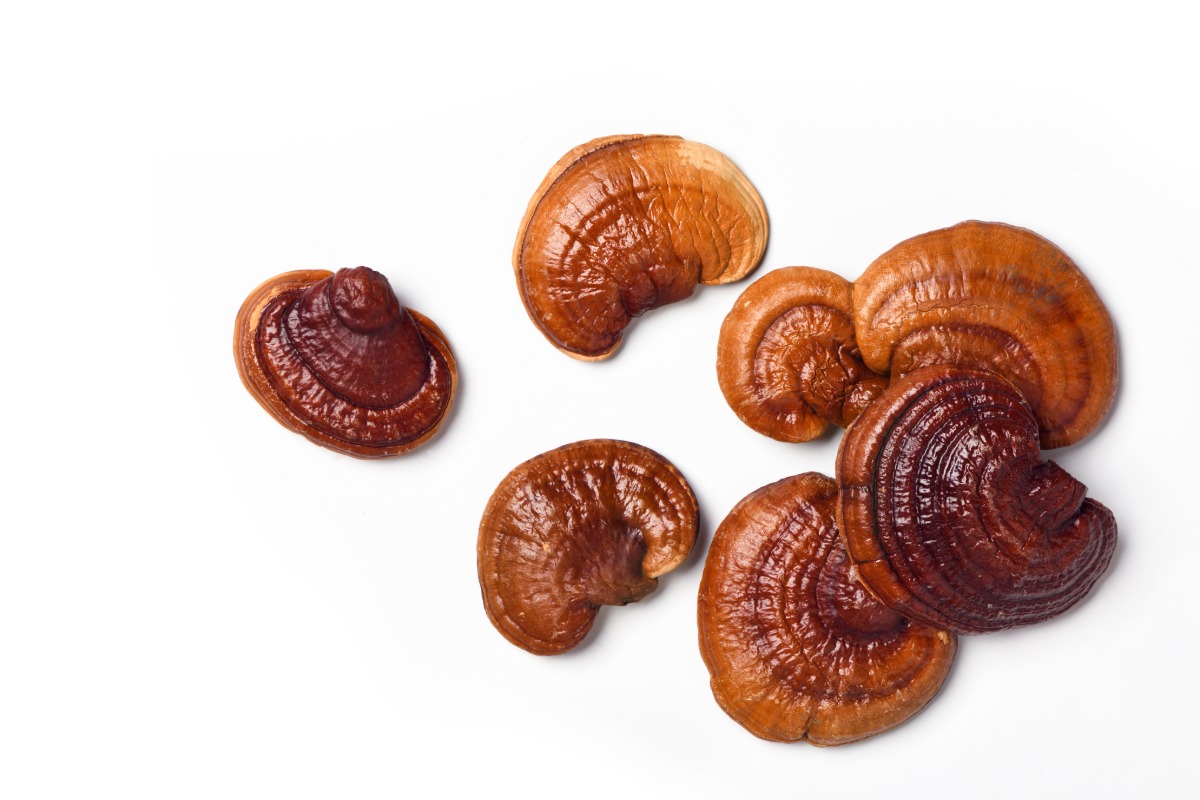
While we can’t make medical claims about reishi, we can look at what researchers have discovered about how these compounds work:
Cellular Studies
Laboratory studies have shown that reishi polysaccharides can interact with immune cells in petri dishes, influencing their activity and communication patterns. These controlled studies help scientists understand the mechanisms behind reishi’s traditional uses.
Animal Research
Animal studies have provided insights into how reishi compounds might support immune function in living systems. Research published in the NIH database has explored how beta-glucans from reishi affect immune responses in various animal models.
Human Studies
While human research on reishi is still emerging, some studies have looked at how reishi supplementation affects immune markers in healthy adults. These studies help bridge the gap between laboratory findings and real-world applications.
What Makes Reishi Different from Other Mushrooms?
While many functional mushrooms contain beta-glucans and polysaccharides, reishi has some unique characteristics:
Triterpenes
Beyond polysaccharides, reishi contains triterpenes which are compounds that give reishi its distinctive bitter taste and may contribute to its stress-supporting properties. These work alongside the polysaccharides to create reishi’s overall effect profile.
Specific Beta-Glucan Structure
The particular arrangement of beta-glucans in reishi (primarily β-1,3 and β-1,6 linkages) creates a unique three-dimensional structure that your immune system recognizes differently than beta-glucans from other sources.
Synergistic Compounds
Reishi contains over 400 bioactive compounds that work together. The polysaccharides don’t work in isolation as they’re part of a complex symphony of natural compounds that create reishi’s overall wellness-supporting properties.
How to Think About Reishi in Your Daily Routine
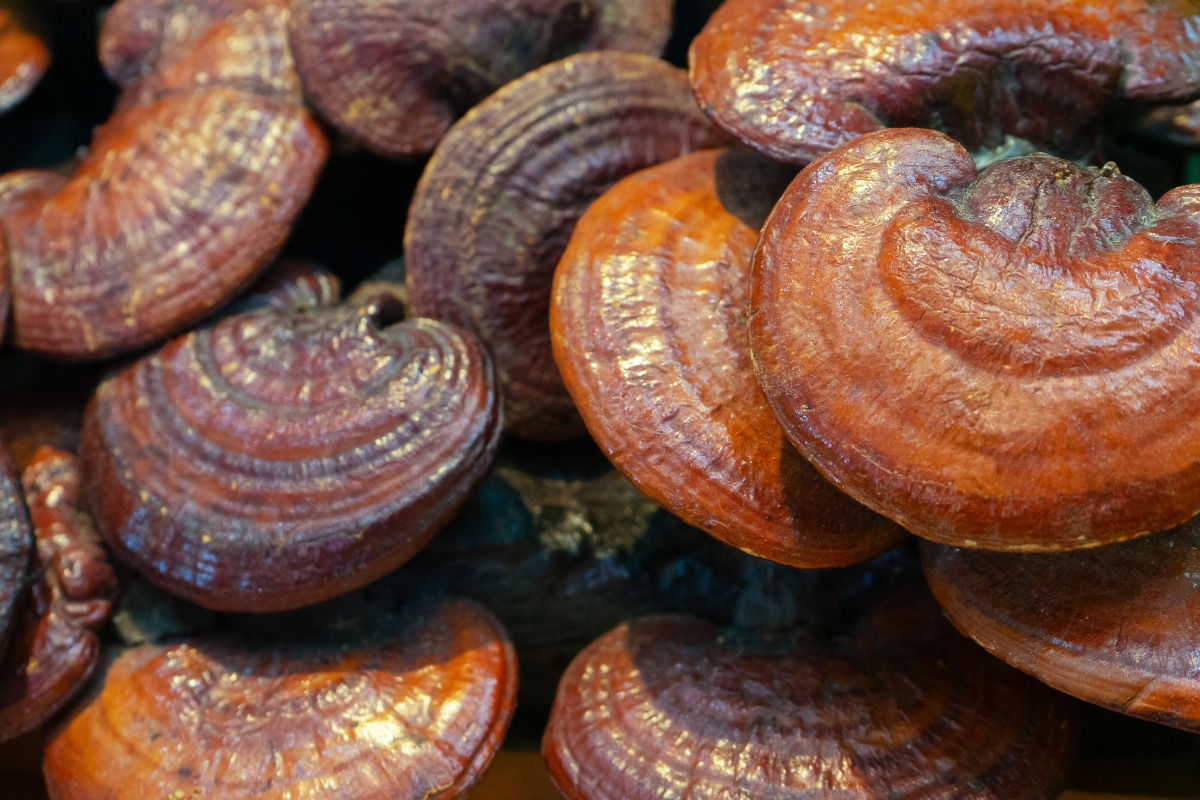
Understanding the science behind reishi can help you make informed decisions about incorporating it into your wellness routine. Here’s how to think about it:
Consistency Matters
The research on reishi’s immune-supporting properties typically involves consistent, daily use over time. Think of it as supporting your immune system’s ongoing training rather than providing a quick fix.
Quality Counts
The concentration and bioavailability of beta-glucans and polysaccharides can vary significantly between different reishi products. Look for products that specify their polysaccharide content and use quality extraction methods.
Part of a Holistic Approach
Reishi works best as part of a comprehensive approach to wellness that includes good sleep, stress management, regular movement, and a balanced diet. The mushroom compounds support your body’s natural processes rather than replacing healthy lifestyle habits.
The Bottom Line on Reishi’s Immune-Supporting Compounds
Beta-glucans and polysaccharides aren’t just scientific buzzwords, they’re the active compounds that help explain why reishi has been valued for centuries in traditional wellness practices. These natural molecules work with your immune system’s existing processes to help maintain balance and support your body’s natural defenses.
While we’re still learning about exactly how these compounds work in the human body, the research so far suggests that reishi’s polysaccharides offer a gentle, natural way to support immune balance as part of a healthy lifestyle.
Whether you’re just beginning to explore functional mushrooms or looking to deepen your understanding of what you’re already taking, knowing about these compounds can help you make more informed choices about your wellness routine.
At Lynx Caps, our Everyday Capsules include reishi alongside other functional mushrooms like Lion’s Mane, Turkey Tail, and Cordyceps, creating a comprehensive daily ritual that supports multiple aspects of wellness. Each mushroom brings its own unique compounds to the blend, working together to support your body’s natural balance.
Ready to explore how reishi might fit into your daily routine? Start with a sample pack to experience the subtle, consistent support that functional mushrooms can provide.
Disclaimer: These statements have not been evaluated by the Food and Drug Administration. Lynx Caps is not intended to diagnose, treat, cure, or prevent any disease. Talk to your healthcare provider before use, especially if you have a medical condition, take medications, are pregnant, or breastfeeding.