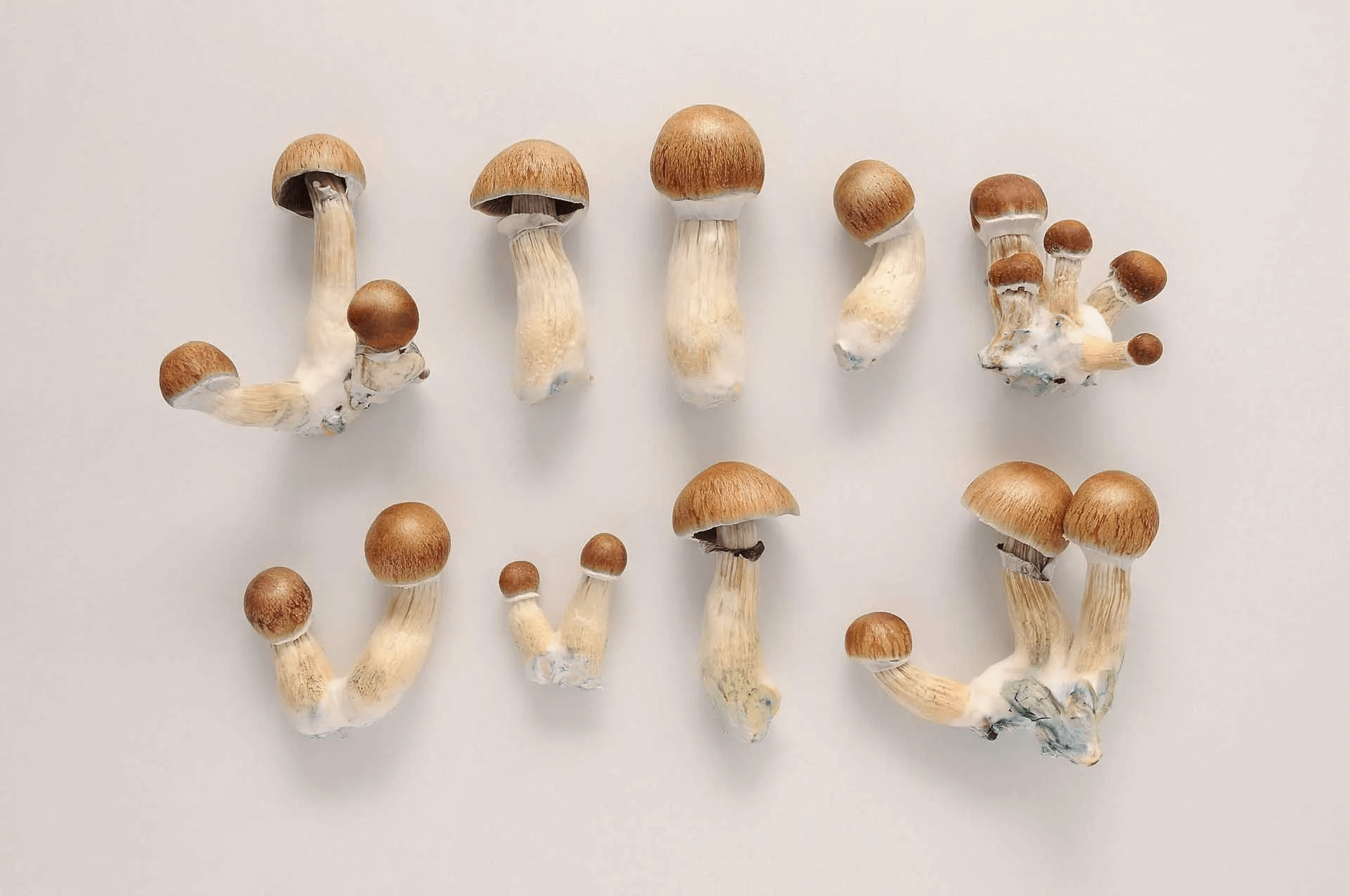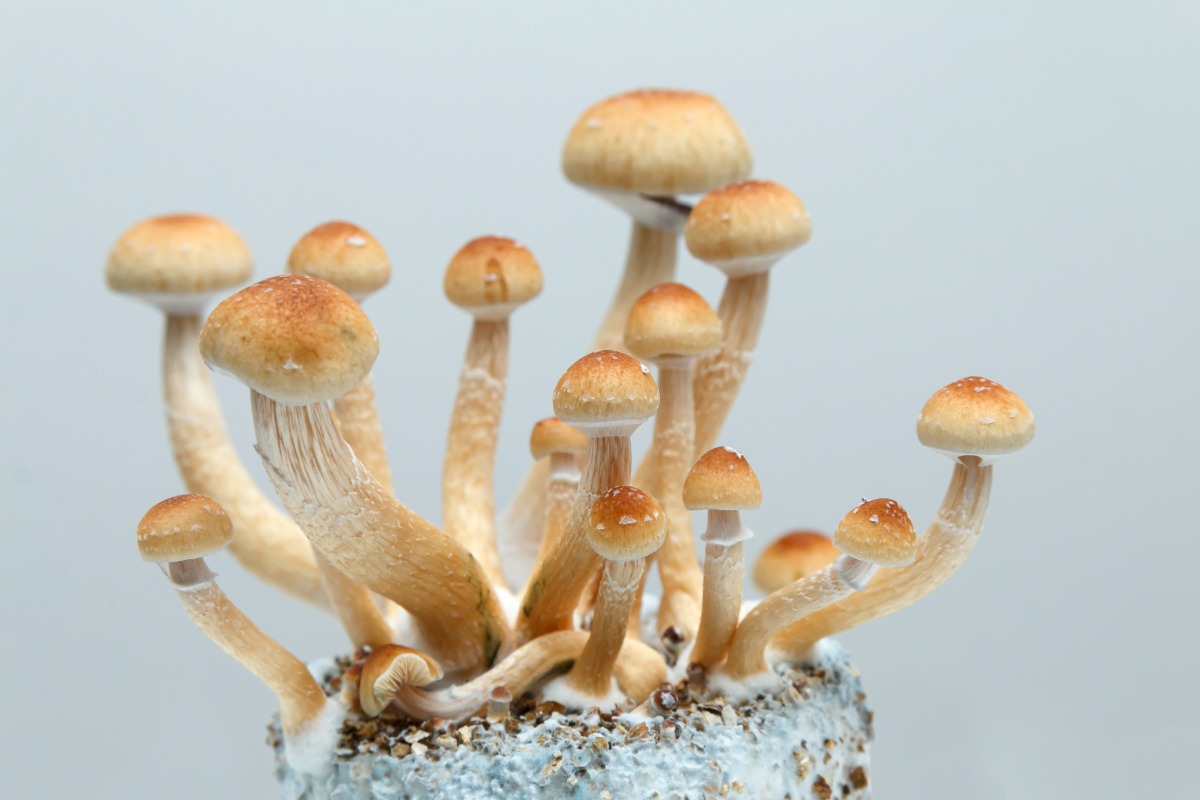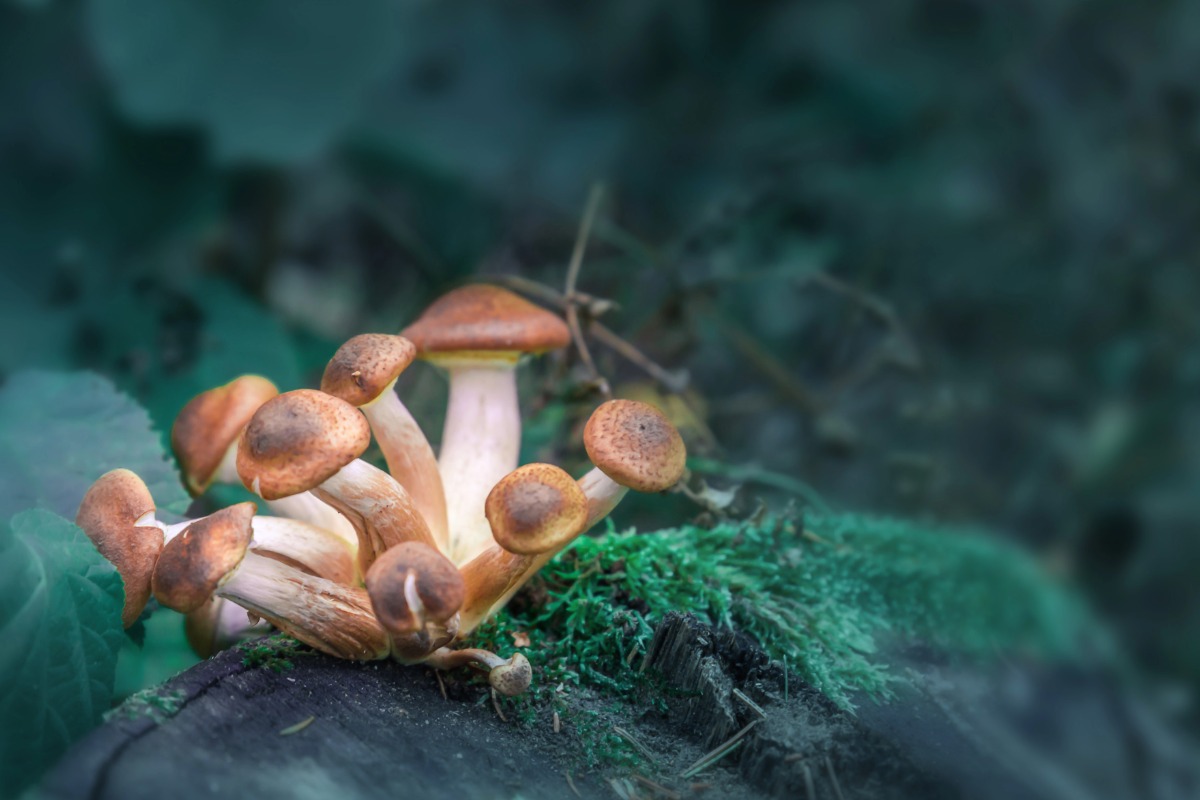
Quick Take: The story of psychedelic mushrooms spans thousands of years, weaving through ancient civilizations, colonial suppression, scientific discovery, cultural prohibition, and today’s remarkable renaissance. These remarkable fungi, containing the compound psilocybin, have journeyed from sacred ceremonial halls to underground counterculture, and now into prestigious research institutions worldwide.
Understanding this rich history helps us appreciate not just where we’ve been, but where we’re heading as society reconsiders the potential of these natural compounds for healing, growth, and human flourishing.
The Ancient Roots: Sacred Mushrooms in Indigenous Cultures
Mesoamerican Traditions: The “Flesh of the Gods”
Long before the term “psilocybin” existed, indigenous peoples of Mesoamerica held these mushrooms in the highest reverence. The Aztecs called them teonanácatl, literally meaning “flesh of the gods” or “divine mushroom.” This wasn’t casual recreational use, these were sacred medicines reserved for the most important spiritual ceremonies.
Archaeological evidence suggests that psychoactive mushrooms were used in spiritual rituals by numerous ancient civilizations as far back as 1500 BCE. Stone carvings, pottery, and codices from various Mesoamerican cultures depict mushroom ceremonies, indicating their central role in religious and healing practices.
The Mazatec people of Oaxaca, Mexico, developed perhaps the most sophisticated mushroom traditions. Their veladas (healing ceremonies) were led by curanderas (healers) who used psilocybin mushrooms to diagnose illness, communicate with spirits, and guide community members through profound healing experiences.
Global Indigenous Practices
While Mesoamerica had the most documented traditions, evidence suggests psychoactive mushroom use wasn’t limited to the Americas. Rock art in Algeria dating back 7,000-9,000 years depicts figures holding mushroom-like objects, and similar imagery appears in various cultures across Africa, Europe, and Asia.
These ancient practices shared common themes: mushrooms were viewed as sacred teachers, bridges between worlds, and powerful healing medicines that required respect, preparation, and proper ceremonial context.
Colonial Suppression: The First War on Mushrooms
Spanish Conquest and Cultural Erasure
When Spanish conquistadors arrived in the 16th century, they encountered indigenous mushroom ceremonies and immediately labeled them as “diabolic” and “heretical.” The Spanish Inquisition systematically worked to destroy all records and evidence of mushroom use, viewing these practices as obstacles to Christian conversion.
Spanish missionaries in the 1500s attempted to eradicate these traditions entirely. However, a 16th-century Spanish Franciscan friar and historian, Bernardino de Sahagún, documented some of these practices in his extensive writings about Aztec culture. His accounts would later prove crucial for 20th-century researchers trying to rediscover these lost traditions.
Despite centuries of suppression, indigenous communities in remote areas of Mexico continued practicing their mushroom ceremonies in secret, preserving ancient knowledge that would eventually help reintroduce these medicines to the modern world.
The Modern Rediscovery: From Ethnobotany to Chemistry
R. Gordon Wasson’s Groundbreaking Journey
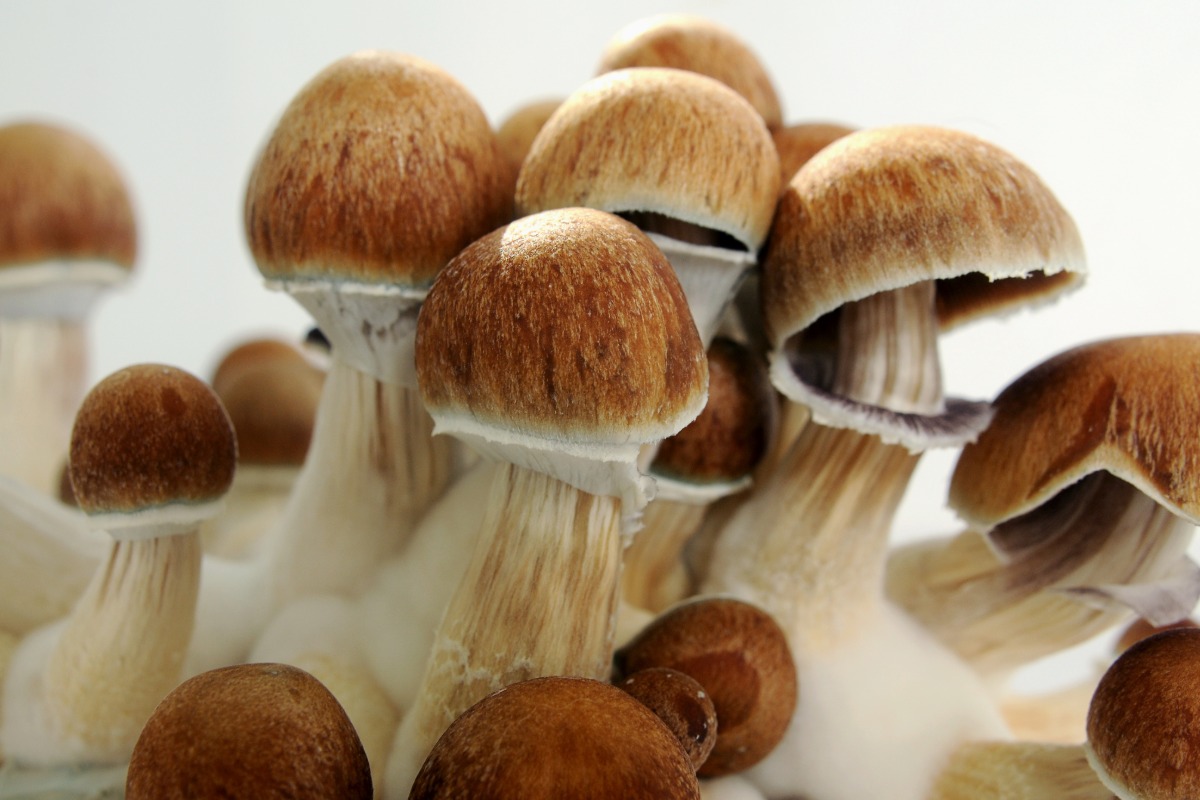
The modern chapter of psychedelic mushroom history began with R. Gordon Wasson, a New York banker turned ethnomycologist. In the 1950s, Wasson became fascinated by Sahagún’s historical accounts and embarked on a quest to find the mysterious teonanácatl.
In 1955, Wasson and his wife Valentina traveled to Huautla de Jiménez in Oaxaca, Mexico, where they met María Sabina, a Mazatec curandera. On June 29, 1955, Wasson became likely the first non-indigenous person in centuries to participate in a traditional mushroom ceremony.
Wasson’s experience was transformative, and he documented it in a famous 1957 Life magazine photo-essay titled “Seeking the Magic Mushroom.” This article introduced the Western world to psilocybin mushrooms and sparked widespread interest in these “magic mushrooms.”
Scientific Isolation and Synthesis
Wasson’s work caught the attention of Swiss chemist Albert Hofmann, who had previously discovered LSD. In 1958, Hofmann successfully isolated and identified the active compounds in the mushrooms: psilocybin and psilocin.
Hofmann’s achievement was remarkable, he not only identified the chemical structure but also synthesized psilocybin in the laboratory, making it possible to study these compounds in controlled settings. This scientific breakthrough opened the door for legitimate research into the therapeutic potential of psilocybin.
The Research Era: Early Clinical Studies
Harvard’s Psilocybin Project
In the early 1960s, Harvard University became the epicenter of psilocybin research. Timothy Leary and Richard Alpert (later Ram Dass) launched the Harvard Psilocybin Project, conducting studies on the effects of psilocybin on human consciousness.
Their research included the famous “Good Friday Experiment” in 1962, where divinity students were given either psilocybin or a placebo before attending a Good Friday service. The results suggested that psilocybin could facilitate profound spiritual experiences.
However, the Harvard researchers’ advocacy for psychedelic use beyond clinical settings, combined with growing concerns about recreational use, led to their dismissal from the university in 1963.
Early Therapeutic Applications
Before prohibition took hold, researchers explored psilocybin’s potential for treating various conditions. Studies in the 1960s investigated its use for alcoholism, depression, and end-of-life anxiety in terminal cancer patients, showing promising preliminary results.
Unfortunately, this early research was cut short by changing political and social attitudes toward psychedelics in the form of the Nixon admin.
The Dark Ages: Prohibition and Underground Culture
The Controlled Substances Act
In 1970, the United States passed the Controlled Substances Act, classifying psilocybin as a Schedule I substance, defined as having “no currently accepted medical use” and “high potential for abuse.” This classification effectively ended legal research and drove mushroom use underground.
The prohibition wasn’t based on scientific evidence of harm but rather on political and cultural fears about the counterculture movement of the 1960s. This decision would halt legitimate research for decades.
Underground Preservation
Despite prohibition, interest in psilocybin mushrooms persisted. Underground communities developed cultivation techniques, sharing knowledge through publications like “The Psilocybin Mushroom Bible” and later, internet forums.
Indigenous communities in Mexico continued their traditional practices, maintaining the ceremonial context and wisdom that had been preserved for centuries. These communities became crucial bridges between ancient wisdom and modern rediscovery.
The Renaissance: Modern Research Revival
Breaking Through Prohibition
The late 1990s and early 2000s marked the beginning of a psychedelic renaissance. Researchers like Roland Griffiths at Johns Hopkins University and Robin Carhart-Harris at Imperial College London began conducting rigorous clinical trials with psilocybin.
These modern studies employed strict scientific protocols, careful participant screening, and controlled settings, addressing many of the methodological concerns that had plagued earlier research.
Breakthrough Clinical Results
Contemporary research has produced remarkable results. Studies have shown psilocybin’s potential for treating:
- Treatment-resistant depression: Clinical trials have demonstrated significant and lasting improvements in patients who hadn’t responded to conventional treatments
- End-of-life anxiety: Cancer patients receiving psilocybin therapy showed reduced death anxiety and improved quality of life
- Addiction: Studies suggest psilocybin may help treat alcohol and tobacco addiction
- PTSD and anxiety disorders: Emerging research shows promise for various anxiety-related conditions
In the past 10-15 years, several FDA-approved clinical studies have indicated potential medical value for psilocybin-assisted psychotherapy, marking a dramatic shift from prohibition to acceptance.
Regulatory Progress
The FDA has granted “breakthrough therapy” designation to psilocybin for treatment-resistant depression, fast-tracking research and development. Several cities and states have decriminalized or legalized psilocybin for therapeutic use, with Oregon leading the way in creating regulated therapeutic programs.
The Microdosing Movement: A New Chapter
Redefining Psychedelic Use
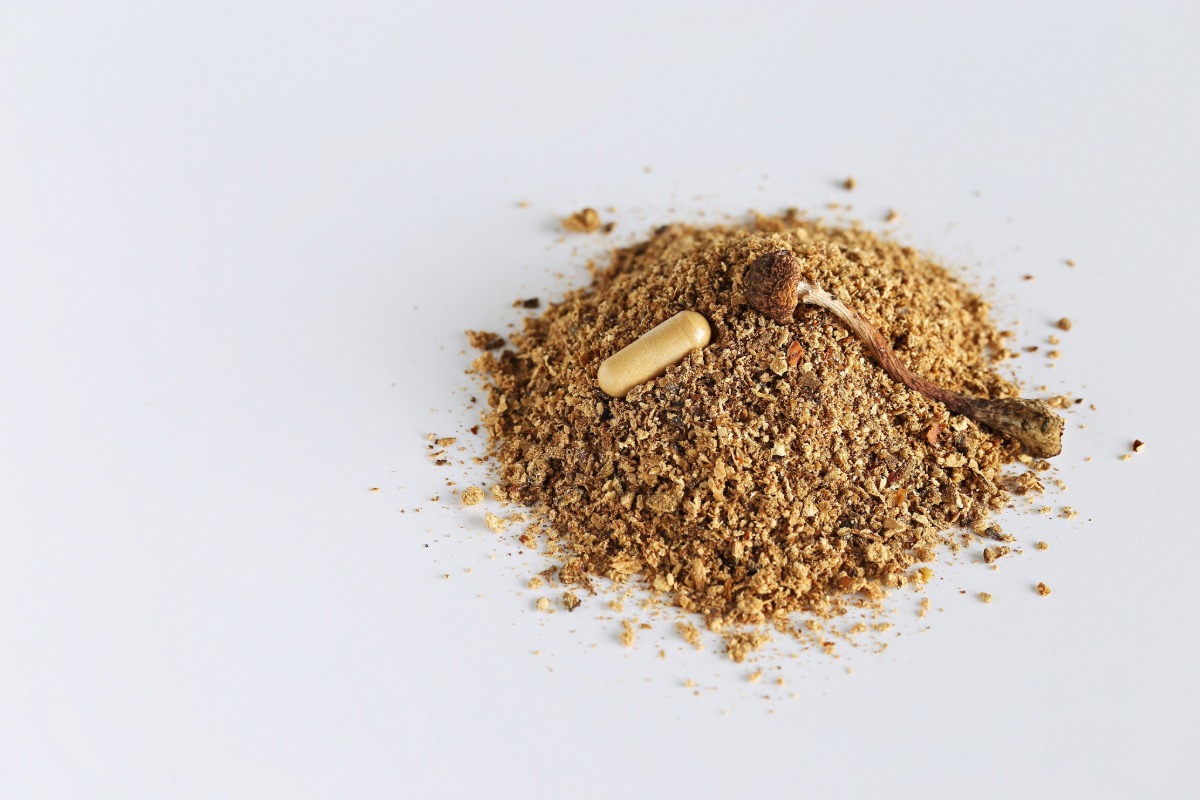
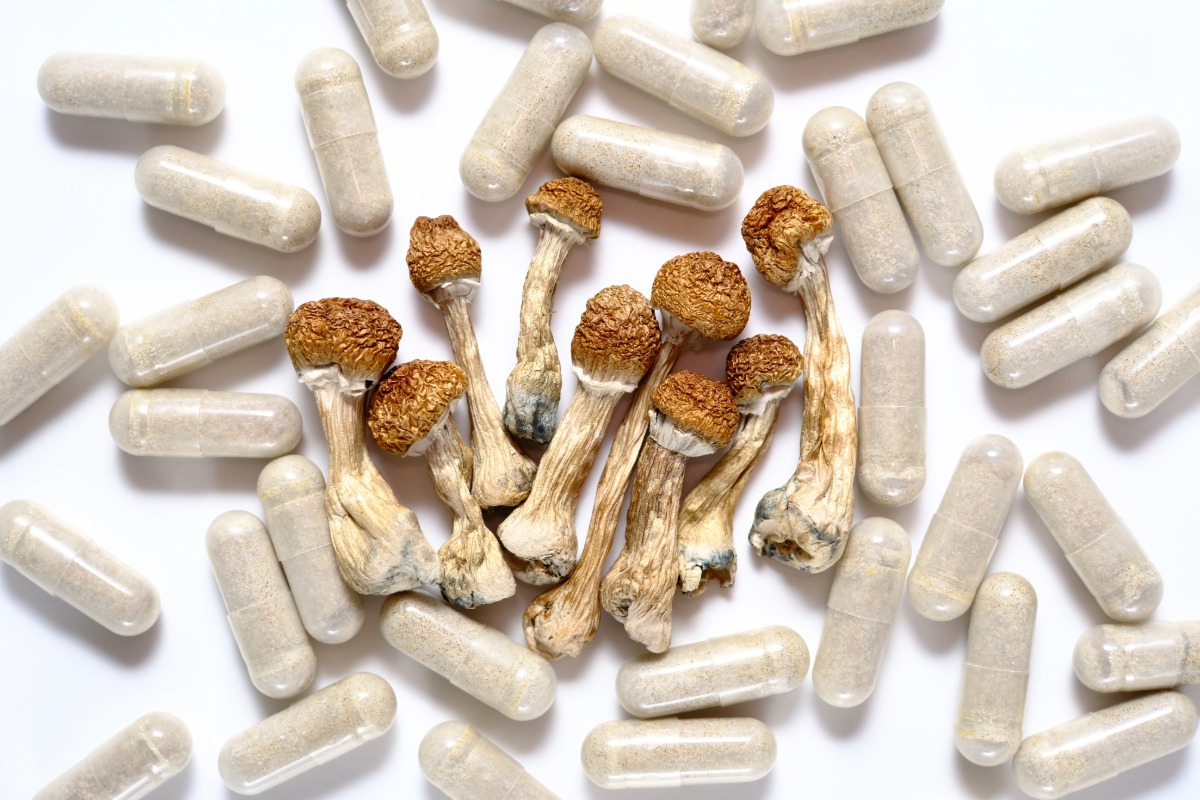
One of the most significant developments in recent years has been the emergence of microdosing psilocybin mushrooms. Microdosing is the process of taking sub-perceptual doses of psilocybin for enhanced focus, creativity, and emotional well-being.
Unlike the high-dose ceremonial use of ancient cultures or the consciousness-expanding experiments of the 1960s, microdosing represents a more subtle, integrated approach to psychedelic use. People report improved mood, enhanced focus, and greater emotional resilience without the intense psychoactive effects.
This approach has attracted professionals, students, and wellness-conscious individuals seeking natural alternatives to conventional pharmaceuticals for mood and cognitive enhancement.
Modern Ritual and Integration
Today’s psychedelic renaissance emphasizes the importance of set, setting, and integration, concepts that echo the ceremonial wisdom of indigenous cultures. Modern practitioners recognize that context matters enormously in determining outcomes.
Companies like Lynx Caps are pioneering approaches that combine functional mushrooms with carefully measured psilocybin, creating products designed for daily ritual and gradual personal development rather than intense psychedelic experiences.
Cultural Impact and Changing Perceptions
From Stigma to Science
The transformation in public perception has been remarkable. What was once associated with counterculture rebellion is now discussed in medical journals, university research centers, and mainstream media as a legitimate therapeutic tool.
This shift reflects growing recognition that the “war on drugs” approach failed to address the root causes of addiction and mental health issues, while simultaneously preventing research into potentially beneficial treatments.
Integration with Modern Wellness
Psilocybin mushrooms are increasingly viewed through the lens of wellness and personal development rather than recreational drug use. This reframing emphasizes intentional use, proper preparation, and integration of insights into daily life.
The modern approach often combines psilocybin with other wellness practices like meditation, breathwork, and therapy, creating comprehensive approaches to mental health and personal growth.
Looking Forward: The Future of Psilocybin
Expanding Research
Current research is expanding beyond mental health applications to explore psilocybin’s potential for enhancing creativity, problem-solving, and even treating neurodegenerative diseases. Scientists are investigating how psilocybin promotes neuroplasticity which is the brain’s ability to form new neural connections.
Regulatory Evolution
As research continues to demonstrate safety and efficacy, we’re likely to see continued regulatory evolution. The challenge will be creating frameworks that ensure safety while preserving access to these potentially transformative medicines.
Honoring Indigenous Wisdom
As psilocybin moves into mainstream acceptance, there’s growing recognition of the need to honor and support the indigenous communities who preserved this knowledge through centuries of suppression. This includes ensuring that commercialization benefits these communities and respects their cultural traditions.
Conclusion: Bridging Ancient Wisdom and Modern Science
The history of psychedelic mushrooms is ultimately a story of resilience: of ancient wisdom surviving suppression, of scientific curiosity overcoming prohibition, and of human beings continually seeking tools for healing and growth.
Today, we stand at a unique moment where indigenous knowledge, rigorous science, and modern wellness approaches are converging. Companies like Lynx Caps represent this convergence, offering products that honor traditional wisdom while meeting contemporary needs for focus, clarity, and emotional well-being.
As we move forward, the challenge is to learn from both our ancient teachers and our modern research, creating approaches that are both scientifically sound and spiritually meaningful. The story of psilocybin mushrooms reminds us that some of our most powerful medicines have been with us all along, we just needed to remember how to use them wisely.
Whether you’re curious about microdosing, interested in the therapeutic potential, or simply fascinated by this remarkable history, understanding where we’ve been helps us navigate where we’re going in this new era of psychedelic medicine.
These statements have not been evaluated by the Food and Drug Administration. Lynx Caps is not intended to diagnose, treat, cure, or prevent any disease. Talk to your healthcare provider before use, especially if you have a medical condition, take medications, are pregnant, or breastfeeding.