Quick take: Reishi mushrooms, known as the “mushroom of immortality,” have been treasured for over 2,000 years for their potential to support calm, better sleep, and immune resilience. Modern research is catching up to ancient wisdom, revealing how this adaptogenic fungus may help busy professionals and wellness seekers find their center in our always-on world.
What Are Reishi Mushrooms?
Reishi mushrooms (Ganoderma lucidum) stand apart in the functional mushroom world. While other fungi focus on energy or cognitive enhancement, reishi takes a different approach, it’s nature’s invitation to slow down, breathe deeper, and restore balance.
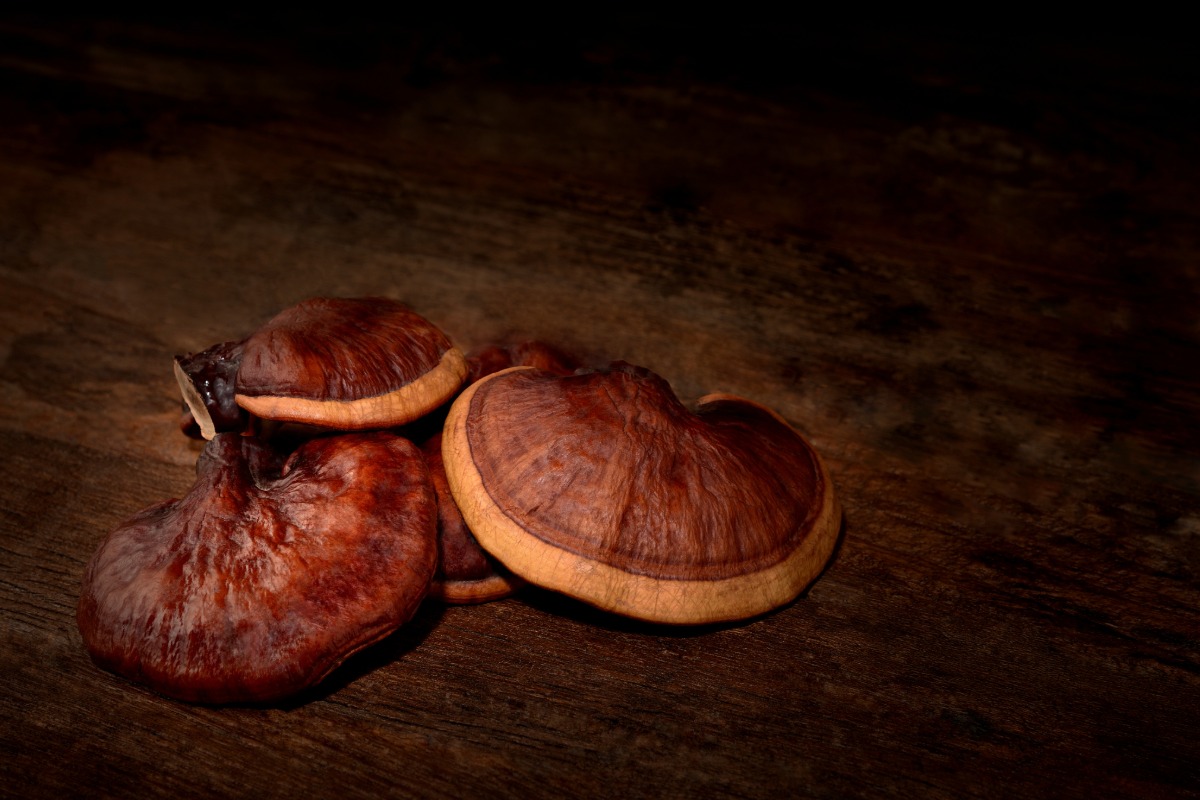
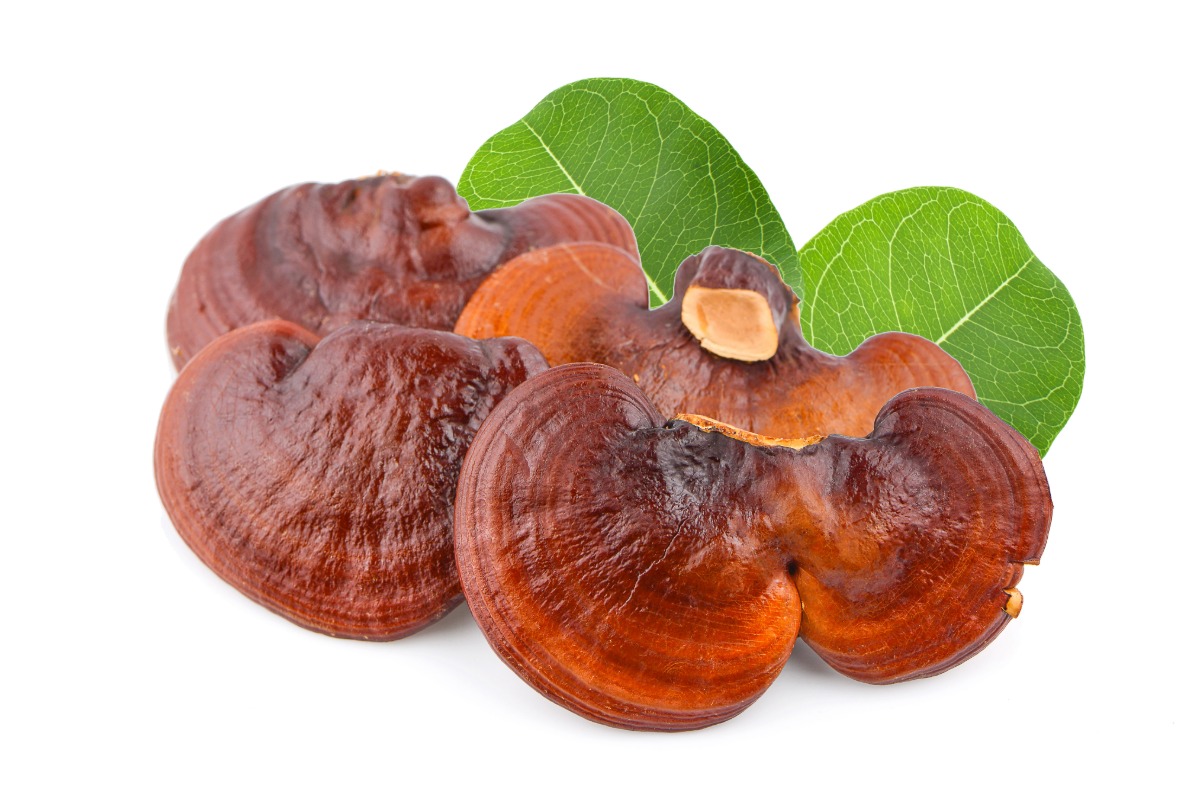
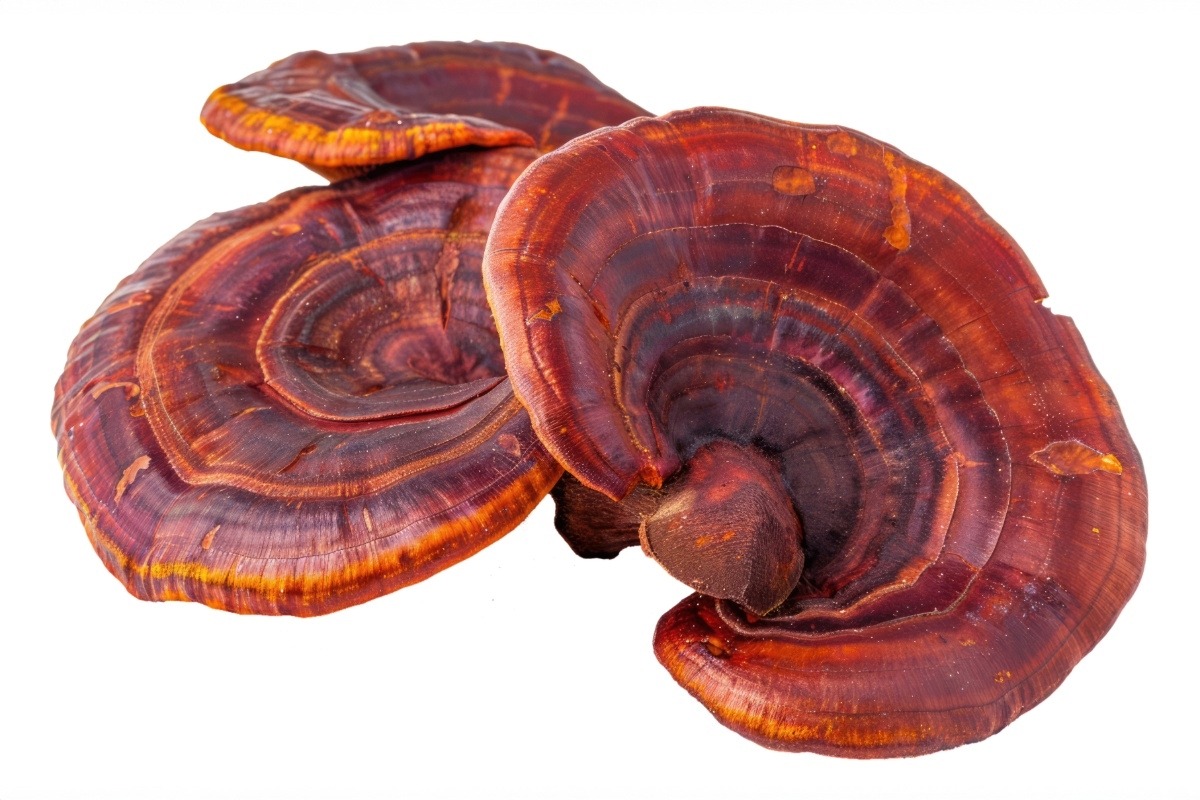
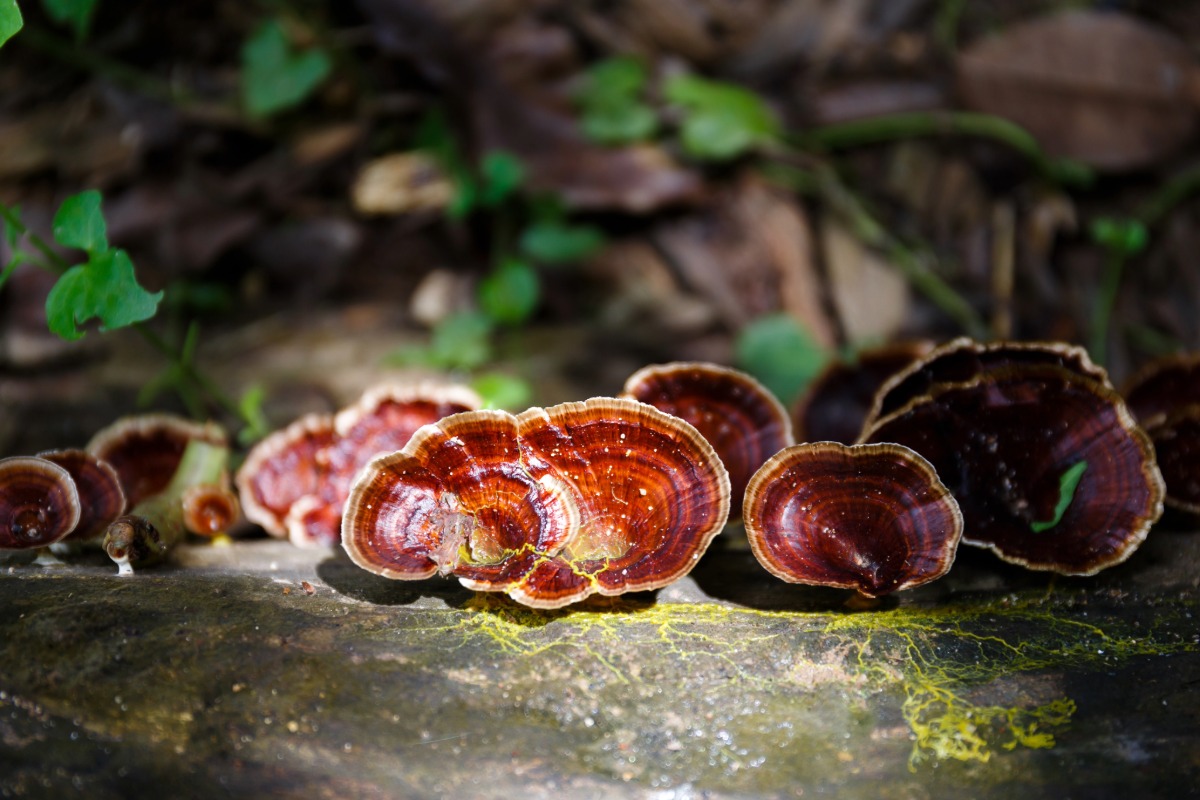
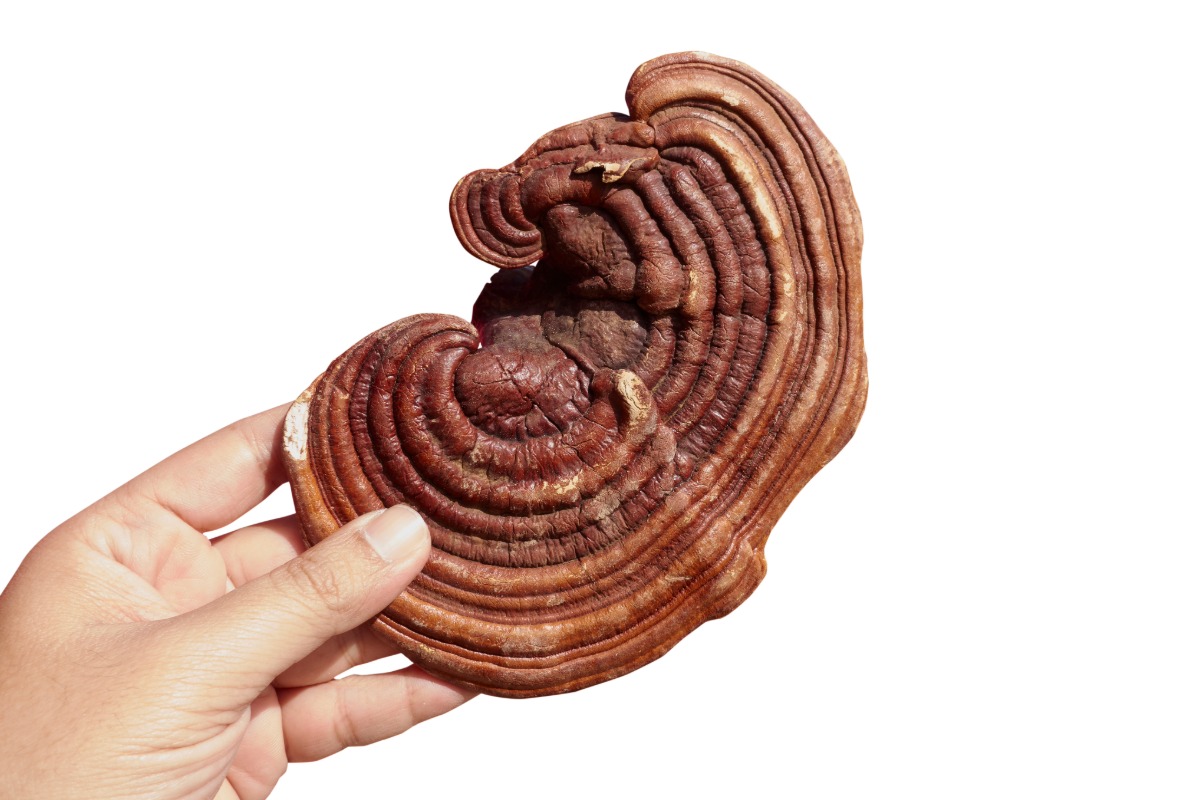
These distinctive reddish-brown mushrooms with their glossy, varnish-like appearance have earned names like “lingzhi” (spiritual potency) in Chinese and “mannentake” (10,000-year mushroom) in Japanese. Unlike the earthy taste of most culinary mushrooms, reishi carries a bitter, woody flavor that hints at its potent bioactive compounds.
What makes reishi special isn’t just its 4,000-year history in traditional wellness practices, it’s how modern science is validating what ancient healers intuited about this remarkable adaptogen.
The Science Behind Reishi’s Calming Effects
Reishi’s reputation as a natural stress-fighter comes from its unique collection of bioactive compounds, each working in harmony to support your body’s stress response systems.
Key Bioactive Compounds
Triterpenes: These bitter compounds give reishi its distinctive taste and are largely responsible for its calming effects. Research suggests triterpenes may help modulate cortisol levels and support liver function, both crucial for managing daily stress.
Beta-glucans: These polysaccharides are reishi’s immune-supporting superstars. Studies indicate they may help train your immune system to respond appropriately to stressors while maintaining balance.
Peptidoglycans: These compounds work alongside beta-glucans to support immune function and may contribute to reishi’s adaptogenic properties.
Ganoderic acids: Unique to reishi, these compounds may support liver health and contribute to the mushroom’s bitter taste profile.
How Reishi Works as an Adaptogen
Adaptogens like reishi work by supporting your hypothalamic-pituitary-adrenal (HPA) axis, which is your body’s central stress response system. Rather than forcing a specific response, reishi helps your body find its natural equilibrium.
Think of it like a thermostat for stress. When life turns up the heat, reishi may help prevent your stress response from overheating. When you need to wind down, it supports your natural relaxation processes.
Reishi Benefits for Stress and Calm
In our hyperconnected world, chronic stress has become the norm rather than the exception. Reishi offers a different approach to stress management, one that works with your body’s natural rhythms rather than against them.
Supporting Your Stress Response
A 2005 randomized, double-blind, placebo-controlled trial in the Journal of Medicinal Food found that Chinese patients with neurasthenia who took a Ganoderma lucidum (reishi) polysaccharide extract (Ganopoly) for 8 weeks reported reduced fatigue and improved overall well-being compared with placebo. While more research is needed, these findings align with traditional use patterns spanning millennia.
Reishi doesn’t work like a pharmaceutical, it won’t knock you out or artificially alter your mood. Instead, it may help create space between you and your stressors, supporting a sense of calm awareness that many users describe as feeling more “centered” or “grounded.”
The Cortisol Connection
Chronic stress keeps cortisol levels elevated, which can impact everything from sleep quality to immune function. Some research suggests reishi’s triterpenes may help support healthy cortisol patterns, though more human studies are needed to fully understand this relationship.
What we do know is that many people who incorporate reishi into their daily routine report feeling less reactive to daily stressors, the traffic jam doesn’t spike anxiety quite as much, the work deadline feels more manageable, the evening wind-down comes more naturally.
Reishi for Sleep: Your Natural Nighttime Ally
If you’ve ever lain awake at 2 AM with your mind racing through tomorrow’s to-do list, you understand why reishi has been called “the mushroom of spiritual potency.” Its sleep-supporting properties don’t come from sedation, they come from helping your nervous system remember how to truly relax.
The Sleep-Stress Cycle
Poor sleep creates stress, and stress disrupts sleep. This is a cycle that leaves millions of people feeling exhausted yet wired. Reishi may help break this pattern by addressing both sides of the equation.
A 2021 paper in Scientific Reports (Nature Portfolio) reported that reishi extract promoted sleep in mice through gut microbiota-dependent pathways involving serotonin. While human studies are still emerging, this research offers intriguing insights into how reishi might support natural sleep cycles.
Quality Over Quantity
Reishi users often report not just sleeping longer, but sleeping better. They describe falling asleep more easily, experiencing fewer middle-of-the-night wake-ups, and feeling more refreshed in the morning.
This aligns with reishi’s traditional use as a “shen” tonic in Traditional Chinese Medicine, a category reserved for substances that calm the spirit and support peaceful rest.
Creating Your Evening Ritual
Many people find reishi most effective when taken as part of an intentional evening routine. Consider incorporating it 1-2 hours before bedtime alongside other calming practices:
- Dimming lights and reducing screen time
- Gentle stretching or meditation
- Herbal tea or warm milk
- Journaling or reading
- Taking your reishi supplement with intention
Immune Support: Reishi’s Protective Properties
Your immune system is your body’s defense network, and like any good defense, it needs to know when to activate and when to stand down. Reishi’s immune-supporting properties lie in its ability to help maintain this delicate balance.
Beta-Glucans and Immune Modulation
Reishi contains some of the highest concentrations of beta-glucans among functional mushrooms. These complex carbohydrates don’t boost immunity in the way we might think of an energy drink boosting energy. Instead, they help train your immune system to respond appropriately.
The Stress-Immunity Connection
Chronic stress suppresses immune function, creating a vulnerability window for various health challenges. By supporting your stress response, reishi may indirectly support immune resilience.
Think of it as helping your body maintain its natural defenses while you navigate daily challenges. When you’re less chronically stressed, your immune system can focus on its primary job rather than constantly managing stress hormones.
Seasonal Support
Many reishi users report feeling more resilient during seasonal transitions, those times when everyone around the office seems to be getting sick. While reishi isn’t a magic shield, its immune-supporting properties may help you maintain your natural defenses when you need them most.
Additional Reishi Benefits: Beyond Stress and Sleep
While reishi shines brightest as a stress and sleep ally, research has explored its potential in several other areas of wellness.
Cardiovascular Support
Some studies suggest reishi may help support healthy cholesterol levels and blood pressure. Though researchers noted the need for larger, longer-term studies.
Liver Health
Traditional use and modern research both point to reishi’s potential liver-supporting properties. The triterpenes that give reishi its bitter taste may help support liver function and detoxification processes.
Antioxidant Activity
Like many functional mushrooms, reishi contains compounds with antioxidant properties. These may help protect cells from oxidative stress, though the clinical significance of this activity in humans requires further study.
Traditional Use: Wisdom Across Cultures
Reishi’s benefits aren’t just a modern discovery, they’re rooted in thousands of years of traditional use across multiple cultures.
Traditional Chinese Medicine
In Traditional Chinese Medicine, reishi is classified as a superior herb, the highest category reserved for substances considered safe for long-term use and beneficial for longevity. It’s traditionally used to:
- Calm the spirit (shen)
- Support vital energy (qi)
- Promote longevity
- Support respiratory function
- Enhance spiritual awareness
Japanese Tradition
In Japan, reishi (mannentake) has been revered for its life-extending properties. Samurai warriors reportedly sought reishi to maintain strength and focus during long campaigns.
Modern Integration
Today’s wellness practitioners often combine traditional wisdom with modern understanding, using reishi as part of comprehensive approaches to stress management, sleep optimization, and immune support.
How to Use Reishi: Dosage and Timing
Reishi works best when used consistently as part of your daily wellness routine. Unlike stimulants that provide immediate effects, reishi’s benefits typically build over time.
General Dosage Guidelines
Most research uses doses ranging from 1-3 grams of reishi extract daily, though optimal dosing can vary based on individual needs and the specific extract concentration.
At Lynx Caps, our Everyday Capsules contain reishi as part of a carefully balanced functional mushroom blend designed for daily use. This approach allows you to experience reishi’s benefits alongside complementary mushrooms like Lion’s Mane for focus and Cordyceps for energy.
Timing Considerations
For stress support: Many people take reishi in the morning as part of their daily routine, allowing its adaptogenic properties to support them throughout the day.
For sleep support: Taking reishi 1-2 hours before bedtime may help support natural relaxation and sleep quality.
For immune support: Consistent daily use, regardless of timing, appears most beneficial for immune-supporting effects.
What to Expect: Timeline and Effects
Week 1-2: Subtle improvements.
Week 3-4: Better sleep patterns.
Month 2-3: Full benefits/immune resilience
Building Your Reishi Ritual
The key to experiencing reishi’s benefits lies in consistency and intention. Consider these approaches:
- Morning ritual: Take reishi with your morning coffee or tea, setting an intention for calm focus throughout the day
- Midday reset: Use reishi during your lunch break as a mindful pause in your busy schedule
- Evening wind-down: Incorporate reishi into your bedtime routine alongside other calming practices
Reishi vs. Other Functional Mushrooms
Each functional mushroom brings unique benefits to the table. Understanding how reishi compares to others can help you choose the right approach for your wellness goals.
Reishi vs. Lion’s Mane
Reishi: Focuses on calm, stress management, and sleep support
Lion’s Mane: Emphasizes cognitive function, focus, and nerve health
Many people find these mushrooms complementary, Lion’s Mane for daytime clarity and reishi for evening calm.
Reishi vs. Cordyceps
Reishi: Promotes relaxation and stress resilience
Cordyceps: Supports energy and physical performance
This pairing works well for active individuals who need both performance support and recovery assistance.
Reishi vs. Turkey Tail
Reishi: Broad adaptogenic support with emphasis on calm
Turkey Tail: Focused primarily on immune system support
Both offer immune benefits, but reishi provides additional stress and sleep support.
The Synergistic Approach
Rather than choosing just one mushroom, many wellness practitioners recommend combining multiple functional mushrooms for comprehensive support. This is the philosophy behind Lynx Caps’ Everyday Capsules, which blend reishi with Lion’s Mane, Turkey Tail, and Cordyceps for well-rounded daily support.
Safety and Considerations
Reishi has an excellent safety profile and is generally well-tolerated by most people. However, like any supplement, there are important considerations to keep in mind.
Potential Side Effects
Most people experience no side effects from reishi supplementation. When side effects do occur, they’re typically mild and may include:
- Digestive upset (rare, usually with very high doses)
- Dizziness (uncommon)
- Skin rash (very rare)
Drug Interactions
Reishi may interact with certain medications, particularly:
- Blood thinning medications (due to potential anticoagulant effects)
- Immunosuppressive drugs
- Certain chemotherapy medications
Who Should Exercise Caution
While reishi is generally safe, certain groups should consult healthcare providers before use:
- Pregnant or breastfeeding women
- People with autoimmune conditions
- Those taking prescription medications
- Individuals scheduled for surgery (discontinue 2 weeks prior)
Choosing Quality Reishi Supplements
Not all reishi supplements are created equal. The quality of your reishi supplement can significantly impact its effectiveness.
What to Look For
Extraction method: Look for supplements that use both water and alcohol extraction to capture the full spectrum of bioactive compounds.
Standardization: Quality supplements should specify the concentration of key compounds like beta-glucans and triterpenes.
Organic certification: Choose organic reishi to avoid potential contaminants and ensure sustainable growing practices.
Third-party testing: Reputable companies test their products for purity, potency, and contaminants.
Forms of Reishi
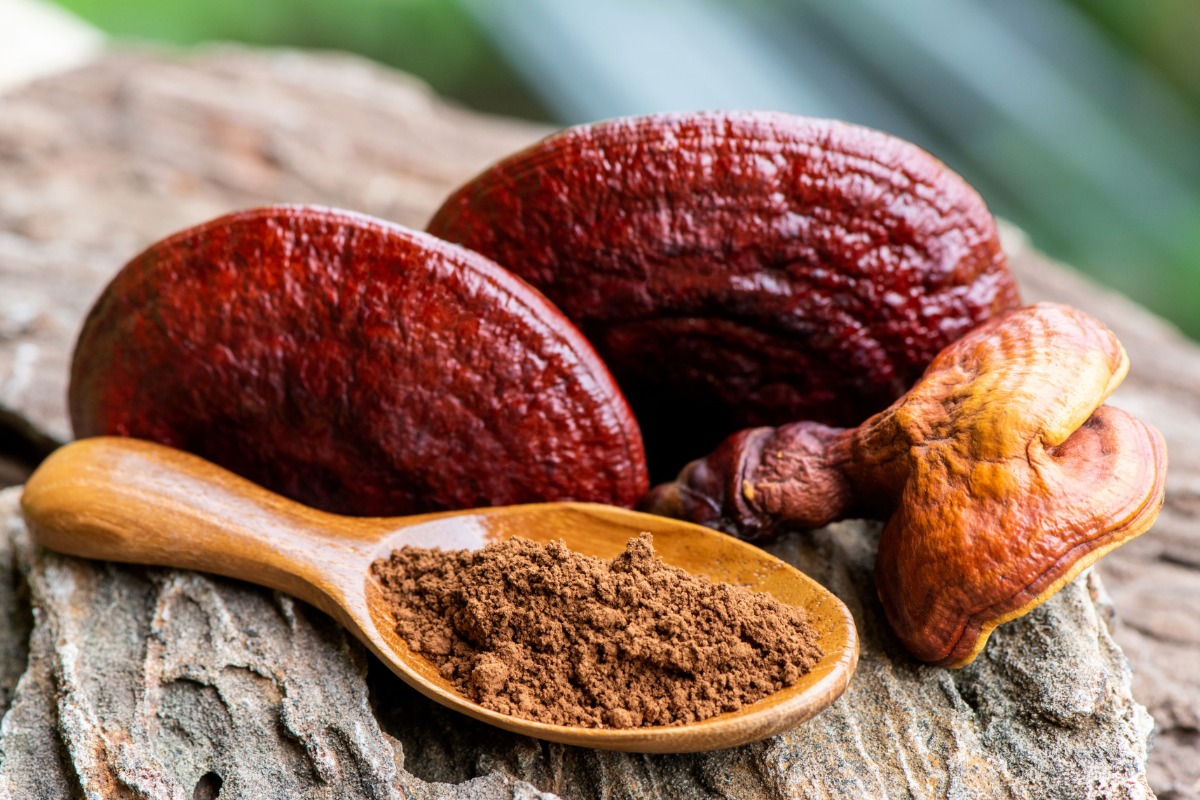
Powder: Versatile but can have a bitter taste
Capsules: Convenient and taste-neutral
Tinctures: Fast absorption but often bitter
Blends: Combined with other mushrooms for synergistic effects
Learn More – How to Take Reishi: Your Complete Guide to Teas, Tinctures, Capsules, and Microdose Stacks
Incorporating Reishi into Your Wellness Routine
The most successful reishi users are those who integrate it thoughtfully into their existing wellness practices rather than viewing it as a quick fix.
Start Small and Build
Begin with the recommended dose and pay attention to how your body responds. Some people notice effects within days, while others may need several weeks of consistent use.
Pair with Complementary Practices
Reishi works best as part of a holistic approach to wellness:
- Stress management: Combine with meditation, yoga, or breathwork
- Sleep hygiene: Use alongside good sleep habits and evening routines
- Immune support: Pair with adequate sleep, nutrition, and exercise
Track Your Experience
Keep a simple journal noting your stress levels, sleep quality, and overall well-being. This can help you identify patterns and optimize your reishi routine.
The Future of Reishi Research
While reishi has thousands of years of traditional use behind it, modern research is just beginning to unlock its full potential. Current areas of investigation include:
- Mechanisms of sleep support and circadian rhythm regulation
- Interactions with gut microbiota and the gut-brain axis
- Potential applications in stress-related health challenges
- Optimal dosing and timing protocols
- Synergistic effects with other functional mushrooms
As research continues, we’re likely to gain deeper insights into how reishi works and how to optimize its benefits for modern wellness needs.
Your Journey with Reishi: Getting Started
If you’re ready to explore what reishi might offer your wellness routine, remember that the best approach is one that fits naturally into your life.
Consider starting with a high-quality reishi supplement like those found in Lynx Caps’ Everyday Capsules, which combine reishi with other complementary functional mushrooms for comprehensive daily support. This approach allows you to experience reishi’s calming benefits alongside Lion’s Mane for focus, Turkey Tail for immune support, and Cordyceps for energy.
Whether you’re a stressed professional seeking better work-life balance, a parent looking for natural sleep support, or someone simply curious about functional mushrooms, reishi offers a gentle, time-tested approach to wellness that honors both ancient wisdom and modern lifestyle needs.
The key is consistency, patience, and attention to how your body responds. Like all the best wellness practices, reishi’s benefits unfold gradually, supporting your body’s natural capacity for balance, resilience, and calm.
Ready to Experience Reishi’s Benefits?
At Lynx Caps, we believe in the power of functional mushrooms to support your everyday wellness journey. Our Everyday Capsules feature organic reishi alongside Lion’s Mane, Turkey Tail, and Cordyceps, a synergistic blend designed to help you feel more centered, focused, and resilient.
Whether you’re just beginning to explore functional mushrooms or looking to deepen your existing practice, we’re here to support your journey toward greater balance and well-being.
Explore our Everyday Capsules and discover how reishi can become part of your daily ritual for calm, better sleep, and immune resilience.
These statements have not been evaluated by the Food and Drug Administration. Lynx Caps is not intended to diagnose, treat, cure, or prevent any disease. Talk to your healthcare provider before use, especially if you have a medical condition, take medications, are pregnant, or breastfeeding.